

The Opportunity
Bugs! Most people dislike them and see them as a seasonal nuisance. But they are much more than that. Many types of bugs have the potential to carry and spread disease rapidly through both human and animal populations. Ticks and mosquitoes are categorized as vectors, along with lice and fleas. In Canada, vector-borne diseases like Lyme disease and West Nile virus have been reported, although there are significant geographic differences depending on the region in the country.
There are many reasons why the mosquito and tick populations are changing in BC. The BC Centre for Disease Control (BCCDC’s) experts in vector-borne diseases, Erin Fraser, a Public Health Veterinarian, and Stefan Iwasawa, Vector Specialist (or as we call him at the Foundation, the Bug Guy) describe an environment where rising temperatures, changes in precipitation, wind patterns, and the ecological environment itself, lead to changes in certain vectors, and the presence of new vector species never identified in our province before. Also, humans and animals are accessing outdoor spaces more than ever, which is increasing the chance of transmission. The more tick/mosquito bites a person or animal gets, the more likely they are to be exposed to these diseases.
As Stefan explains it,
“We’re seeing signals farther north, with ticks showing up in places where we wouldn’t normally expect them. We also recorded our first case of West Nile virus in the region. Historically, West Nile virus has been associated with the Okanagan, but a horse in the Peace River District recently tested positive. That’s one example of what climate change is doing. Mosquitoes and ticks that would normally be around for only a short time are staying active for longer as warmer temperatures persist. This allows them to establish themselves, complete additional [mosquito] life cycles, and increase opportunities for human exposure, creating greater risks to public health.”
Strong vector surveillance is essential for protecting British Columbians. Yet the BCCDC, the province’s only agency delivering coordinated vector surveillance for public health in BC, lacks the resources needed to comprehensively monitor every region due to limited funding. The result: it takes longer to detect, assess, and respond to new and emergent threats. Without a strong vector surveillance program, public health risks may go unidentified until it’s too late, allowing illnesses or outbreaks to occur. This is why the Foundation is raising funds to support the BCCDC’s increased surveillance efforts throughout the province — to keep communities in BC safe from disease and harm.
The Solution
Current mosquito and tick tracking in BC, relies heavily on passive surveillance — meaning, if someone finds a tick, they report it through etick.ca, a website run by Bishop’s University in collaboration with partners across the country such as the BCCDC, that allows users to send in photos of a suspected tick and learn more about the species. While this is a useful tool, more active surveillance is needed to learn as much as possible about the vector-borne populations in all of BC and the pathogens that different vector species may be carrying, allowing researchers to build an early warning system for emerging threats of disease. The team would like to expand their surveillance to rural and remote communities, and to increase collaboration and knowledge sharing with First Nations.
This expanded surveillance is known as active tick surveillance — or tick dragging, and is the most useful way to find location-based data and conduct site-specific pathogen testing. Tick dragging is done by researchers who drag flannel-like blankets through fields to collect ticks for diagnostic testing. With increased funding, more researchers can cover wider swaths of land across the province, allowing them to identify more species of ticks, and learn their origins, patterns, and disease threat. The team also hopes to work with all regional health authorities to share best practices, and train communities to conduct their own tick dragging. This will empower them to be citizen scientists and help to keep their communities safe.
With this increased surveillance also comes the need for more lab equipment, and the experts needed to interpret the data and draw the proper conclusions. Not only is this work important to protect communities from health threats, it is also important to protect food security for First Nations and rural and remote communities. These communities rely on their animal population for food, and the moose population is currently being severely impacted by Dermacentor albipictus, otherwise known as the winter tick, that is severely affecting moose and their habitat.
The Impact
This project is an example of an upstream public health initiative — work that focuses on disease prevention, rather than treatment, which is always less costly to the healthcare system. Rather than waiting until a person gets sick with a vector-borne disease, researchers will monitor the ecological, vector, and host-related factors that influence the spread of these diseases. They will identify changes in mosquito and tick populations, the pathogens they carry, and regions where disease risk is increasing. This information enables public health partners to take preventative action, communicate risks to communities, and reduce the likelihood of exposures and preventing illness. This project will also invest in equipment, trained personnel and subject matter expertise, making it work that will help protect BC’s animal and human populations for years to come. Currently there are very low cases of Lyme disease in BC, but we should not wait until those numbers increase before action is taken to prevent the spread of Lyme and other vector-borne diseases. By that point, it will be too late.
Meet the Researchers
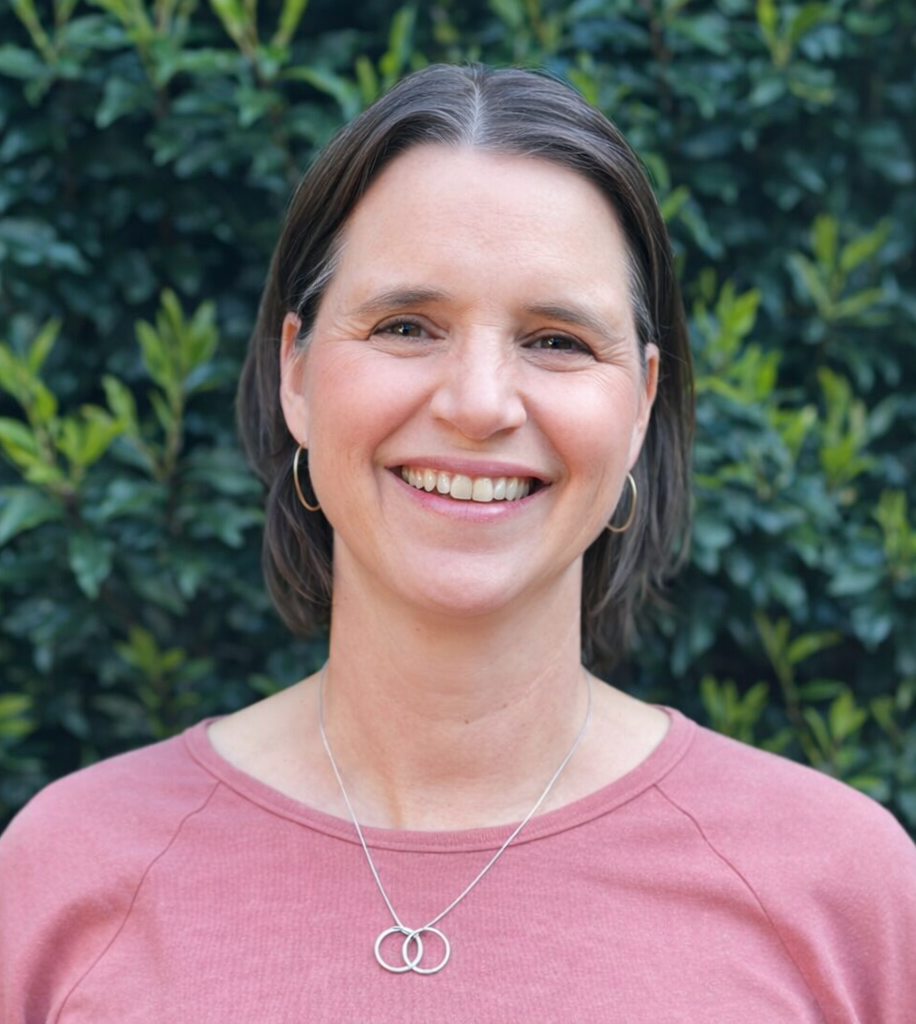
Dr Erin Fraser is a public health veterinarian at the BCCDC. She is also a clinical assistant professor at the School of Population & Public Health at the University of British Columbia.
Erin’s current focus is surveillance, prevention and control of zoonotic diseases, foodborne pathogens, antimicrobial resistance in companion animals, and climate change and tick-borne diseases. She also co-founded Veterinarians without Borders Canada and was the organization’s first executive director, so her love of animals runs deep! Erin is particularly interested in One Health — the inter-connectedness of humans, animals, and the environment — and feels a responsibility to study vector-borne diseases, as the changing climate has the potential to increase their spread, and cause a public health threat.
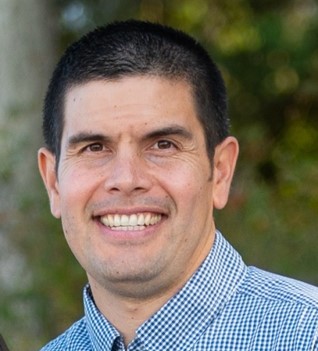
Stefan Iwasawa (the aforementioned Bug Guy)is a Vector Specialist at the BCCDC. His time is spent looking for, collecting, and studying, vectors. From the Aedes aegypti (the yellow fever mosquito), to the Haemaphysalis longicornis (Asian Longhorned tick), and even the Ixodes scapularis (the dreaded Deer tick), he knows them all! You may have even caught Stefan on CTV News, where he was interviewed while putting up mosquito traps in the Sea-to-Sky region, to see if the area contains mosquitoes that transmit CSGv. His passion for bugs, and protecting the public from their impacts, is what makes him so good at his job.
Why Philanthropy Matters
Climate change is impacting ecosystems across British Columbia, creating conditions that allow mosquitoes, ticks, and other disease-carrying vectors to expand their range, multiply quicker, and remain active for longer periods. As a result, the risk of vector-borne disease in humans and animals such as Lyme disease, West Nile virus, and California serogroup viruses is evolving. Recent report of malaria in Washington State further highlight the importance of remaining vigilant to emerging threats. Robust surveillance is our first line of defense, enabling experts to detect changing vector patterns, identify risks early, and provide communities with the information needed to prevent illness or outbreak before they occur. This work is not currently being funded by the provincial or federal government, and requires donor support to advance and expand its reach. Donor support will help strengthen BC’s early warning system, enhance surveillance efforts across the province, and protect the health of people, animals, and communities for years to come.
We hope that you see the value in monitoring and tracking the spread of disease in BC, and if you would like to support this work, please contact us at fundraising@pphf.ca.