
2025–2026 at a Glance
$1.6M+
invested in public health initiatives across BC
30
unique projects funded this year
10
public health priority areas supported
A Letter from Our CEO
Public health is often invisible when it is working well.
It is the outbreak that never happens. The child who stays healthy. The older adult who remains independent because a fall was prevented. The community that is better prepared for extreme weather, emerging health threats, or the spread of misinformation.
Because of your support, these efforts are happening every day across British Columbia.
As you read this year’s annual report, I hope you’ll see the impact that philanthropy can have when we invest in prevention, protection, and the promotion of health.
Inside these pages, you’ll discover how donor support is helping connect people to life-changing hepatitis care and treatment, improve youth mental health, create opportunities for Indigenous youth through STEM education, strengthen Indigenous wellness initiatives, advance vaccine and asthma research, and protect the safety of our food and water systems. These initiatives are improving lives and helping build healthier, more resilient communities across our province.
These stories may be different, but they share one thing in common: they are only possible because people like you choose to invest in public health.
On behalf of our Board of Directors, staff, partners, and the communities we serve, thank you for your support, your trust, and your commitment to improving health and well-being across British Columbia.
With gratitude,
Shellina Lakhdhir, MBA, CFRE
Chief Executive Officer
Pacific Public Health Foundation
P.S. If you’re inspired by the stories in this report, please consider making a gift today. Your donation, no matter the size, will help advance innovative public health programs, prevent illness, and strengthen communities. Please consider donating today through our online donation form.

A Joint Message from Our CEO and Board Chair
As we reflect on the past year, we are reminded that public health often does its most important work quietly. When disease is prevented, when communities are resilient, when trusted information reaches people who need it, and when health inequities are reduced, the benefits are felt across society. Public health improves lives, strengthens communities, and reduces pressure on our healthcare system long before individuals require care.
The challenges facing public health today are significant and evolving. Climate change, misinformation, mental health and substance use challenges, global health threats, and persistent inequities continue to shape the health and well-being of communities across British Columbia. Addressing these challenges requires innovation, collaboration, and a willingness to invest not only in treating illness, but in preventing it.
Over the past year, our Board and management have worked together to strengthen the Foundation’s long-term sustainability and position it to play a larger role in advancing public health across British Columbia. Through a close partnership between the Board and CEO, we have focused on building organizational stability, deepening relationships within the public health community, and clarifying where philanthropy can make the greatest difference. Our goal has been simple: to ensure the Foundation is well positioned to support meaningful and lasting public health impact for years to come.
Working closely with public health leaders, researchers, and advisors, we established six Strategic Priorities that will guide our work in the years ahead:
- Population Health Management & System Transformation
- Trust, Misinformation & Public Health Communication
- Equity, Indigenous Health & Community-Led Solutions
- Mental Health, Substance Use & Social Resilience
- Pandemic Readiness, One Health & Global Health Security
- Climate, Planetary & Environmental Health
These priorities reflect some of the most pressing public health opportunities facing British Columbia today and now serve as the framework for the Foundation’s fundraising and investment efforts. As a Foundation, we are focused on connecting philanthropic investment with innovative public health solutions that have the potential to improve lives, strengthen communities, and create lasting impact across our province.
We believe philanthropy plays a vital role in advancing public health. Research has consistently demonstrated that investments in public health protection, prevention and promotion generate substantial returns for society. A landmark systematic review of public health interventions across the United Kingdom and other OECD countries, published in the Journal of Epidemiology & Community Health, found a median return on investment of 14:1, meaning that every dollar invested generated an estimated fourteen dollars in social and economic benefit through improved health outcomes, reduced healthcare costs, and increased productivity. Public health is not simply an investment in today’s well-being; it is one of the most effective investments we can make in the future health, resilience, and prosperity of British Columbia.
At a time when public health challenges are becoming increasingly complex, organizations such as Pacific Public Health Foundation have an important role to play in connecting philanthropy with evidence-informed solutions. By engaging donors, community leaders, corporations, and public health experts, we can help accelerate innovation and create lasting benefits for communities across British Columbia.
The work ahead, however, cannot be accomplished by any single organization. It requires the collective commitment of community leaders, philanthropists, corporations, governments, researchers, and engaged citizens. Building healthier, more resilient communities is a shared responsibility, and we believe there is tremendous opportunity for British Columbia’s philanthropic community to play a larger role in that effort.
The stories featured throughout this report reflect the impact that your support has already made possible. They showcase the people, partnerships, and initiatives that advanced public health across British Columbia over the past year.
At the same time, we are looking firmly toward the future. Through our website (pacificpublichealth.ca/campaigns), we have introduced a new portfolio of fundraising initiatives focused on some of the most significant public health opportunities facing our province. We invite you to explore these opportunities, join the conversation, and consider how your support can help accelerate innovation, strengthen communities, and improve health outcomes across British Columbia. All of us hope to leave a healthier, more resilient province, and indeed a better planet, for our children and future generations.
We also invite you to stay connected with us. Whether you are a donor, community leader, researcher, partner organization, or simply someone who shares our commitment to improving health and well-being, we welcome the opportunity to hear from you, learn from you, and work alongside you.
Finally, we extend our sincere gratitude to our donors, volunteers, partners, Board Directors, staff, advisors, and supporters. Your commitment makes this work possible. Together, we are helping build a stronger, healthier, and more resilient British Columbia.
We are excited about what lies ahead.
Douglas Nelson, Board Chair
Shellina Lakhdhir, Chief Executive Officer
Leadership Transition
A Special Thank You to Doug Nelson and Welcome to Noorjean Hassam
As Doug concludes his term as Board Chair, I would like to extend my heartfelt gratitude for his exceptional leadership and unwavering commitment to Pacific Public Health Foundation.
Since joining the Board of Directors in 2020, Doug has generously contributed his time, expertise, and passion in service of public health. He served as Interim Chair from 2022 to 2023 and as Board Chair from 2024 to 2026, helping guide the Foundation through an important period of growth, renewal, and strategic focus.
On a personal note, I am deeply grateful for the guidance, mentorship, and encouragement Doug has provided to me over the past year and a half. His thoughtful counsel, steady leadership, and unwavering support have been invaluable as the Board has worked together with us to strengthen the Foundation and position it for the future. The progress we have made would not have been possible without his dedication, wisdom, and belief in the Foundation’s mission.
On behalf of our Board, staff, volunteers, advisors, donors, supporters, and partners, thank you, Doug, for your remarkable service and lasting contribution to public health philanthropy in British Columbia.
As Doug passes the baton, we are delighted to welcome Noorjean Hassam as the Foundation’s incoming Board Chair.
Noorjean has served as a Director at the Foundation since 2023 and brings a wealth of leadership experience in public health, healthcare operations, and organizational transformation. She currently serves as Associate Vice-President, Student Health & Wellbeing at the University of British Columbia, where she oversees primary healthcare, counselling, health equity, health promotion and education, and the Office of Wellbeing Strategy. Prior to joining UBC, Noorjean served as Chief Operating Officer at the BC Centre for Disease Control (BCCDC), where she played a key leadership role in British Columbia’s COVID-19 response.
Noorjean brings a clear passion for public health and a strong belief in the Foundation’s role in advancing healthier, more equitable communities. We look forward to the leadership, insight, and vision she will bring as we embark on the Foundation’s next chapter.
Shellina Lakhdhir
Chief Executive Officer

The Three P’s of Public Health
Public Health is all about the 3 P’s: Prevention & Protection from disease and injury, and Promotion of good health. These are just some of the projects we support that help prevent illness and injury for communities across BC.

Protection: Safeguarding Populations from Health Risks, Hazards, and Disease

According to Statistics Canada, almost one in five people in our country are aged 65 and older, and in BC, the older adult population has grown 45% over the past 10 years. Falls are the leading cause of injury among older adults in Canada. One in three older adults in BC experience a fall every year, with 10 to 15 per cent of these falls resulting in serious injuries.
By investing in prevention measures, we can help to keep our aging loved ones healthy, in their communities, for years to come. With this in mind, the Foundation partnered with the Northern Health Authority (NH), to give Falls Prevention and Healthy Aging grants of $100,000 total, to communities and organizations that assist in preventing falls and promoting healthy aging for adults 55 years and older.
13 grants were awarded to various groups, who were not only given funding, but also guidance and support from NH’s regional nursing lead for injury prevention.
With their funding, grant recipients completed various projects like:
- The town of Stewart created a lending library for the community to have access to mobility aids and other falls prevention tools
- The Chetwynd Seniors Centre installed new handrails and stairs, and repaired a ramp
- The Tsay Keh health centre conducted a risk of falling assessment, installed home modifications, provided Elders with resources to help prevent falling, like walking aids and lighting for the home, and hosted a community dinner to share education and resources to prevent falling
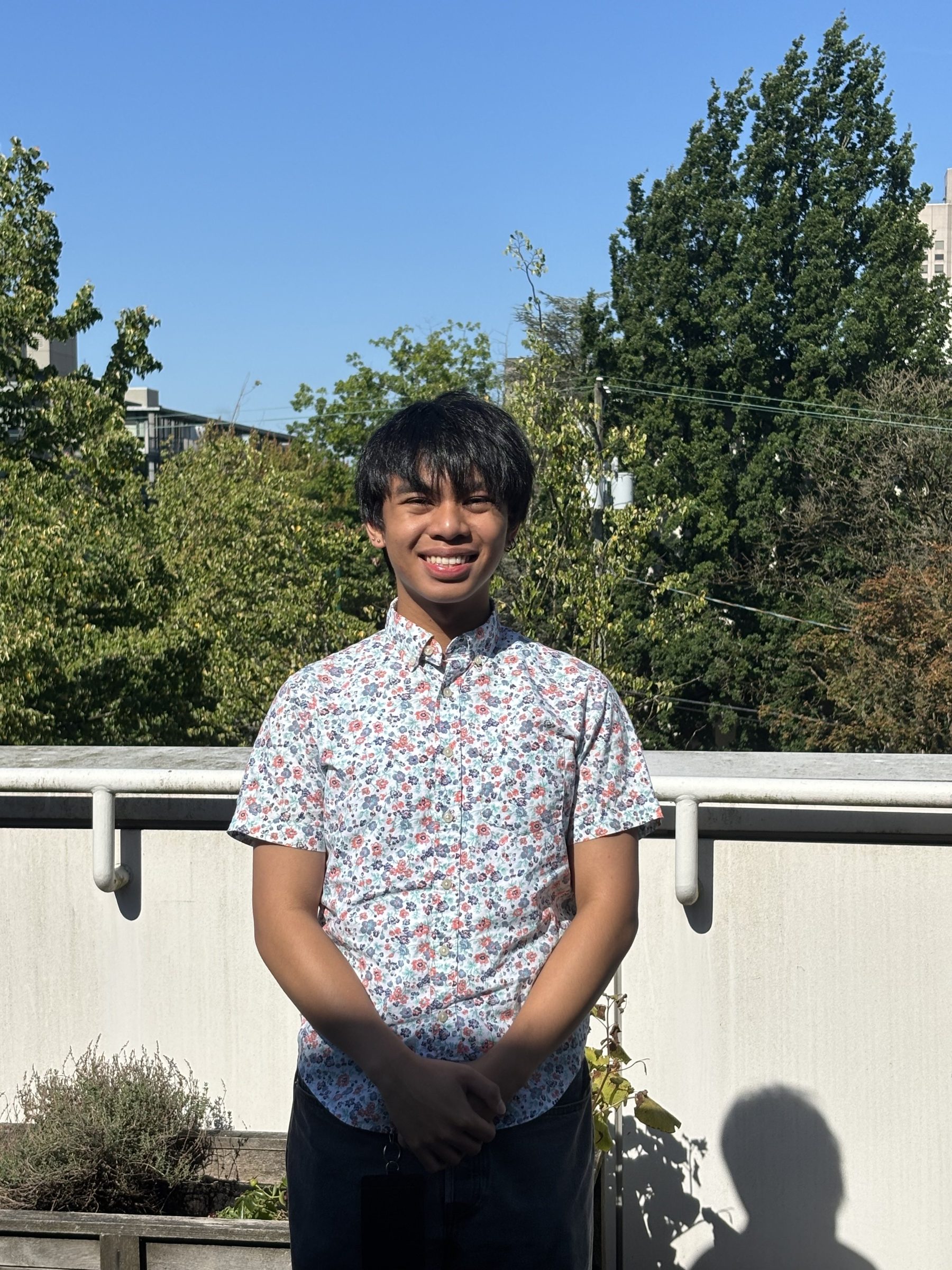
Ervin Cadiz was recognized for making a positive impact in his community with a TD Scholarship for Community Leadership in 2022. He is a full-time psychology student at the University of British Columbia, and through his scholarship, Ervin was awarded an internship at the BCCDC, where he is working with Dr Sofia Bartlett on the Test, Link, Call initiative — a program that TD Bank Group (TD) has also provided funding to support. TD’s funding helps improve access to care, treatment and resources, while opportunities like Ervin’s internship help emerging leaders contribute to meaningful change in communities across BC.
This project is a joint initiative between the BCCDC, BC Mental Health & Substance Use Services (BCMHSUS), BC Hepatitis Network, and Unlocking the Gates (UTG) Services Society. The aim of the program is to support individuals at risk for, or diagnosed with, hepatitis C (HCV), hepatitis B (HBV), HIV, or syphilis. The key populations served are from equity-deserving populations, such as people who experience criminalization, people who use drugs, people who are unstably housed, and Indigenous people. The program provides participants with a free smartphone with a six-month calling and texting plan, as well as connection to a peer navigator.
As of June 2026, 769 people have been given cell phones through the program, and 90% of participants are remaining engaged in care. Approximately 57% of participants enrolled for HCV care have initiated curative treatment, compared to 52% who previously or currently use drugs, as reported in the 2020 BC Hepatitis Testers Cohort. This shows that the Test, Link, Call program is helping more people start curative treatment, compared to standard care.
“Test, Link, Call is an amazing way to break through the barriers, working directly with the community and vulnerable populations whose voices might not be valued as much within academia.” — Ervin Cadiz

Norovirus is the leading cause of viral foodborne illness in BC and around the world. It spreads in the winter months, when food comes into contact with human feces or vomit before being consumed.
Norovirus is a threat to BC’s public health, food security, and economy. It causes diarrhea, vomiting, dehydration, stomach pain, and general misery for those afflicted. Consumption of shellfish contaminated with fecal pathogens has caused significant illness, and the closures of contaminated oyster harvesting sites have both cultural and economic consequences. Because of this, the Foundation helped fund a project, conducted by Dr Natalie Prystajecky, Dr Michael Lee and the environmental public health experts at the BCCDC (in partnership with Genome BC) to evaluate whether contamination sources of marine shellfish harvest sites can be identified.
Why Shellfish?
Shellfish, like oysters, draw in large volumes of seawater each day to feed, they can efficiently concentrate viruses and bacteria present in contaminated water. Cooking shellfish can reduce this risk, but many people eat them raw—and that’s where problems can arise.
When contamination occurs and/or an outbreak is declared and traced to a specific harvesting area, the site is shut down from shellfish harvesting. However, these closures rarely identify how or why the outbreak/contamination occurred. And without finding the source, contamination can continue, leaving the possibility of future illnesses.
How Can We Fix This Problem?
The Genomic Ecological Microbial Source Tracking for Oceans Nature and the Environment (GEMSTONE) project uses Microbial Source Tracking (MST) tools to detect and identify the species and potential source of the contamination. Providing a clearer understanding of how contamination occurs will empower industry partners to identify and address contamination sources within their own operations. Ultimately, this research will help to ensure that our marine waters are cleaner, food security is improved, and the food we harvest and consume in BC is safer.
Putting the Tools in the Hands of Those Who Need it Most
A key part of this work is making sure these new methods do not stay only in the research lab. The team is working to get the Microbial Source Tracking lab methods into the hands of the people who can use them most, including industry partners. Through online and in-person workshops, partners are learning how to use these tools to better understand where contamination is coming from and how to respond more quickly to protect shellfish harvesting areas, marine waters, and the people who enjoy them.
Prevention: The Act of Stopping Something Bad or Harmful from Happening

Vaccinations are an important way to keep BC’s communities healthy and thriving, which is why the Foundation has continued to support vaccine effectiveness research since the pandemic. According to Health Canada, there are currently seventeen recommended vaccinations for adults in our country. One of these is the influenza vaccine (the “flu shot”). Influenza, unlike some other viruses, is highly changeable, which is why we need to get a flu shot annually, because getting a flu shot last year does not mean you are protected from this year’s strain. There are many factors that go into deciding which strains will be included in influenza vaccines each season, including world-wide vaccine effectiveness (VE) studies.
Why is Vaccine Effectiveness (VE) Research Important?
Current VE monitoring informs real-time changes to vaccine programs and supports evidence-based decision-making that builds credibility and helps to address the concerns of those who are hesitant about vaccines. Ultimately, VE monitoring improves vaccine strain selection and immunization programs, and addresses misinformation, while building the public trust.
Our Commitment to Funding Vaccine Effectiveness Research
With Dr Danuta Skowronski from the BCCDC at the helm, a global leader in the field of influenza and vaccine effectiveness that we are so fortunate to have as a partner, we have funded research that helps inform influenza, COVID-19 and/or respiratory syncytial virus (RSV) immunization programs in BC. Recent findings from the Canadian Sentinel Practitioner Surveillance Network (SPSN), led by Dr Skowronski, include estimates of vaccine effectiveness against COVID-19 and influenza during the 2025/26 respiratory season.
Researchers from UBC and the BCCDC have continued their work in examining whether reducing unnecessary antibiotic exposure during infancy and promoting breastfeeding can contribute to the global reversal of asthma and allergic disease. Dr David Patrick, lead for antimicrobial resistance at BCCDC, and his team of researchers, published some of their findings in Frontiers in Allergy (one of the world’s largest research publishers), with their cohort study findings under review. They found a significantly elevated risk of asthma and allergic diseases in children exposed to antibiotics in infancy in the provinces of BC and Manitoba, after accounting for many other early life factors. Their research supports the wider hypothesis that antibiotics most likely cause the problem by disrupting the development of a healthy microbiome — the healthy bacteria in the developing gut of the infant — which trains a healthy immune response. This disruption to normal immune system development can predispose children towards allergic responses, like asthma.
Spreading the Word to Keep Children Healthy
Along with TB Vets and other past donors, we helped fund the knowledge translation of this work. Publishing these findings, creating a downloadable e-book, and working with families, parents, and primary care providers to create video resources about being “antibiotic wise”, helps influence attitudes, policy, and potential investment in this work across Canada and beyond. We hope that these new findings will result in less unnecessary antibiotic use in infancy, the promotion of breastfeeding when possible, and consequently, fewer children suffering from asthma. Ultimately, this will improve the well-being of millions of children worldwide.
Promotion: The Process of Enabling People to Increase Control Over, and Improve Their Health

*Content Warning: This article contains information on disordered eating and mental illness
Disordered eating usually includes a range of unhealthy eating attitudes and behaviours like weight loss dieting, and usually involves restrictive eating as a means to change body shape and size. According to the Canadian Paediatric Society, about 50% of teens have attempted a weight loss diet or are actively dieting — up significantly from previous years. This is why the Foundation is proud to have funded a project led by our partners at Northern Health (NH), aimed at supporting positive relationships with food and body, and improving mental wellness among youth.
A New Way to Teach About Food and Nutrition
The NH team created a new curriculum tool for high school educators to teach about food and nutrition in an inclusive and student-centred way that helps protect against dieting behaviours, body dissatisfaction, and weight stigma. This work is important because mainstream conversations can promote a narrow view of what it means to “eat healthy” or “be healthy”. This curriculum tool helps students and educators expand their understanding of food and health and build skills to critically engage with nutrition messages.
The New Curriculum
The curriculum was co-developed with teachers, health educators, and health professionals, and pilot-tested in classrooms in Northern BC. The first unit supports educators and students with exploring Canada’s food guide in a more culturally responsive and relational way. The second unit explores how narratives shape our understanding of food, health and well-being and will help students challenge diet culture and weight stigma in their everyday lives. This work was guided by the First Peoples Principles of Learning, and was designed using Universal Design for Learning Guidelines. It is available to any interested party via the Northern Health website at www.northernhealth.ca, making it accessible to students and educators in the entire province of BC and beyond.

The Foundation partnered with Northern Health’s IMAGINE Community Granting Program to provide grants totalling $100,000 for organizations in seven different communities, supporting youth programming, mental health education, and cultural engagement.
NH reports that 20% of their population identify as Indigenous — the highest proportion in BC — so some grants were awarded to organizations like The Prince George Métis Society, who emphasized land-based learning, connecting students with Indigenous culture and nature.
Some grant recipients used the funds to enhance their programming to better serve youth mental wellness, like the South Peace Arts Society, who redefined their teaching philosophy to prioritize emotional well-being, fostering emotional resilience through art.
Other programs were there to provide essential programming for youth, like Houston Link to Learning, who delivered accessible mental health programming and nutrition support to vulnerable teens. Because of the grant provided, Houston Link to Learning was able to operate for the entire school year, instead of just 10 weeks as it had previously run in early 2024.
Positive well-being in adolescence leads to healthier adulthood, and early-life interventions can promote better quality of life. By offering our support now — through initiatives like grants given to youth organizations in the community — we are creating a healthier and more equitable future not only for our younger generations, but for us all.
“It means time with your friends and to have some fun and to be yourself. This drop-in is a place where you can get to know people better and find new interests. I hope this drop in happens next year.” — Participant
“Teen drop-in means a lot to me. It gives me the time to spend with my friends and so I can get to know more of others. I’m very thankful for the time and the plaza’s snacks, I love food. Thank you for everything.” — Participant
Promoting Indigenous Health & Wellness
The Healing Power of a Canoe
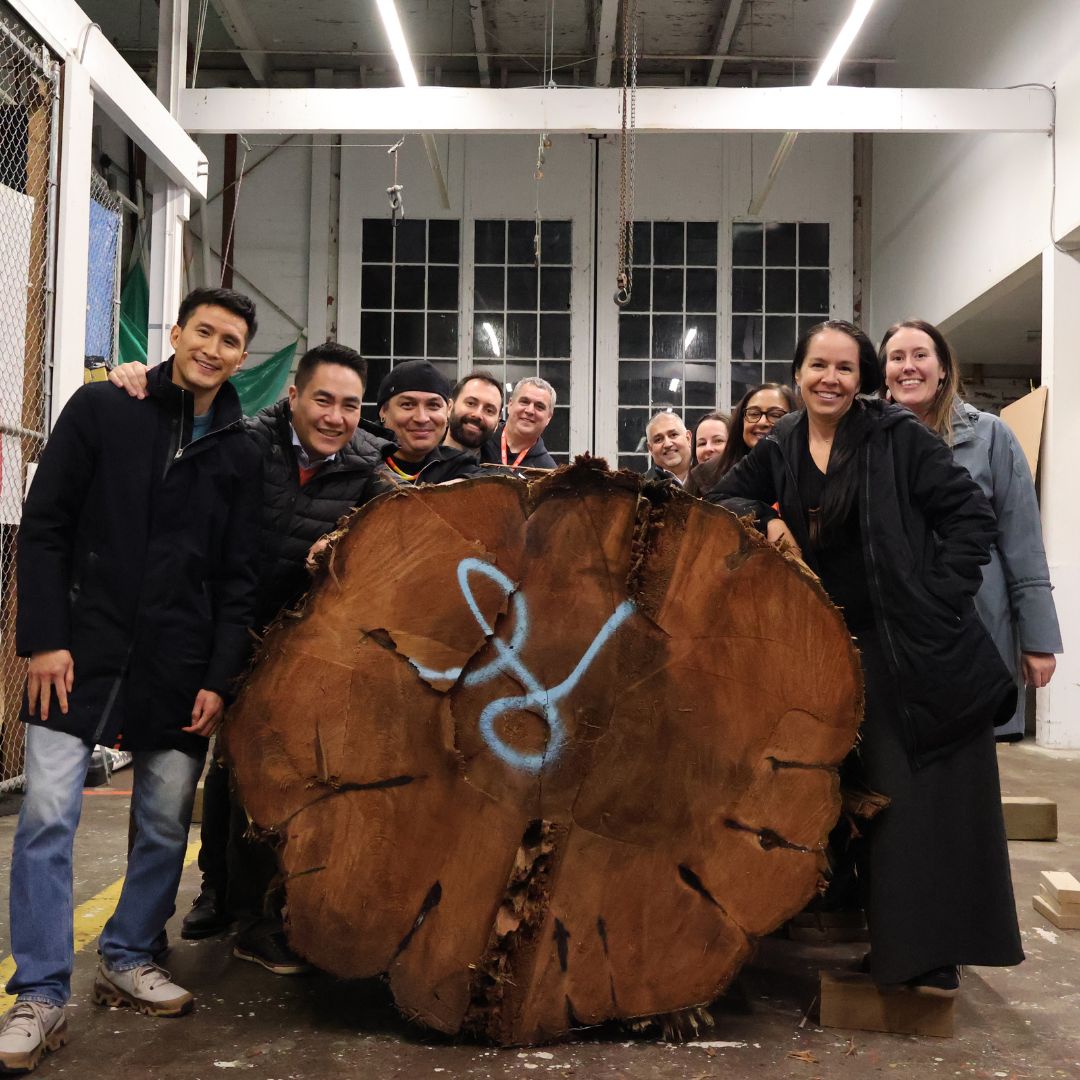
The canoe is an important cultural symbol for many Indigenous people, representing so much more than transportation. It is about identity, community, and for many coastal nations, a shared connection to the land and water. The canoe has a long history of cultural traditions that build and honour relations across generations and nations.
Building awareness for why those traditions matter — and how they play a role in protecting and preserving health and wellness within Indigenous communities — is why we are honoured to support the crafting of a 42-foot traditional xʷməθkʷəy̓əm Musqueam Cedar Salish Sea-Going Canoe — one of only a few of its kind in 100 years — by Artist and Carver Jody Sparrow.
Sharing Indigenous Expertise and Tradition
Lead Educator and Facilitator, Michael Glendale ‘Gya’us’dees’, a member of the Da̱’naxda’x̱w – Mama’lili’kala – Ma’a̱mtagila First Nations, with the Provincial Health Services Authority (PHSA) Indigenous-Specific Anti-Racism team (ISAR), and Dr Titus Wong, Medical Director for Infection Prevention and Control and Community Health at the BCCDC, conceived of this project after meeting with Jody Sparrow, a xʷməθkʷəy̓əm (Musqueam) and Sḵwx̱wú7mesh (Squamish) Carver, Artist, and Red Seal Carpenter. They recognized an opportunity to embrace the art of carving, and to use this art as a way to build relationships across communities.
This project is a learning journey, creating opportunities to work together as settlers and Indigenous community members, side-by-side. Like paddling a canoe together in harmony and with true collaboration, we can only move forward toward a new world view when we are paddling in sync, with intention and commitment.
Building and Paddling Together
This work begins with engaging non-Indigenous community partners who have demonstrated an interest in becoming active allies in honouring, respecting, and celebrating Indigenous Peoples, culture, and contributions. This project by itself is wellness for Indigenous Peoples.
Colonization works to minimize and limit access to lands, natural resources, and traditional ways of being. This project counters this historical narrative by offering an opportunity for Indigenous Peoples, partners, and allies, to connect with culture both inside our networks, and in Indigenous community.
Carving the Canoe
Some partners and interest holders have taken part in carving the canoe, visiting the workspace at the Jericho Sailing Centre, and meeting Jody Sparrow and his apprentices. The ISAR team, led by Michael Glendale, is planning opportunities for on-site workshops and educational sessions for participants, to introduce and build awareness for Indigenous experiences and the historical actions of colonialism that continue to have impacts on Indigenous people’s health and wellness.
Together, we can help people achieve better health and well-being, grounded in equitable and culturally-safe practices.
The canoe will remain a Musqueam community asset, accessible to First Nations members and youth. It will have a living presence, promoting time on the land and water as a way to reconnect and allow community members to continue to pass down knowledge and culture to future generations. It may, by invitation, remain accessible to the wider community so that learnings and relations will continue to evolve and grow.
Hepatitis C is a liver infection caused by the hepatitis C virus (HCV). It is a sexually transmitted and blood-borne infection (STBBI) that can lead to serious long-term health issues like liver cancer. The good news is that there is a cure for HCV. However, as of 2025, approximately 8,000 people across BC are estimated to be living with a chronic HCV infection. If there is a cure, why are there still so many living with HCV? Because of fragmented access to care and treatment, and a lack of understanding about the types of available treatments. This is why the Foundation has partnered with Gilead Sciences to help fund the BC-HCV recAll & suppoRt initiativE (C-CARE), a pilot project that is helping connect patients with HCV to the care they need.
A Purposeful Partnership
Kílala Lelum is a community-based health centre that provides Indigenous-centred, Elder-guided, culturally safe, trauma and violence-informed care in Vancouver’s Downtown Eastside (DTES). The team serves over 2,000 members, offering various programs and services including primary care, social work, mental health counselling, cultural and food security programming, outreach, and chronic pain management.
Many of their members have complex health issues, including substance use, chronic pain, mental illness, cardiovascular disease, as well as STBBI infections such as HCV. The C-CARE project aims to identify members registered with Kílala Lelum, with evidence of untreated chronic HCV infection, or members who have not yet had HCV screening or confirmatory testing, by linking data with information collected through the BCCDC, and connecting these patients to care.
Helping Patients Access a Cure
As of 2025, approximately 84% of all people in BC diagnosed with chronic HCV infection had accessed curative treatment, however this number is much lower among people living in the DTES, particularly among those who also identify as Indigenous. Kílala Lelum’s Indigenous-focused care model is the ideal candidate to partner with the BCCDC to identify members and administer care. Kílala Lelum’s Electronic Medical Records (EMR) will be linked to the BCCDC’s Public Health Laboratory Information System (PHLIS) to create a registry of patients that have been identified as having HCV or are at risk for HCV and other STBBI. Kílala Lelum’s team of allied health professionals will then contact members and offer screening and/or testing, treatment and follow-up care as clinically appropriate. This strategy seeks to demonstrate that by reducing fragmentation of medical records, we can implement comprehensive and person-centred models for HCV screening and treatment in primary care settings.
Support From Our Donors
As Amit Gupta, Medical Scientist, Viral Hepatitis and Liver Diseases at Gilead Sciences, explains, “Gilead wanted to support this project to help ensure people can access the support they need, receive culturally appropriate care, and feel comfortable seeking help without fear of shame or stigma.” Gilead is committed to supporting efforts that improve access to hepatitis C care and help advance broader public health goals, including reducing barriers and supporting progress toward hepatitis C elimination. According to Amit, “We have been committed to addressing hepatitis C from the beginning, and we remain focused on supporting efforts that move us closer to elimination.” Thank you, Gilead, as well as AbbVie Canada Corp. and Pfizer Canada Inc., for supporting this important initiative!
The seed2STEM research program for Indigenous youth places Indigenous high school students into Science, Technology, Engineering and Math (STEM) fields, where Indigenous representation is disproportionately low.
Not only does the program provide paid 6-week summer internships for Indigenous youth, it also helps build self-esteem and mental well-being, and allows for the opportunity to solve some of our province’s most pressing public health concerns. Thanks to the generosity of our donor, Acuitas Therapeutics, we supported this program for a second consecutive summer, enabling five students to be placed at the BCCDC, where they worked on a variety of interesting and impactful public health-related research projects.
A Summer of Fun
Mentors guided the students in their work and accompanied them on field trips to scientific and cultural places of interest. The students were given opportunities to explore hands-on learning experiences working in wet and dry lab environments and honed their public speaking skills by sharing their projects at a poster presentation for their peers, friends, family and their BCCDC colleagues at the end of the term.
A Student’s Perspective
Adeline (Addy), one of the interns, studied the infection rate of congenital cytomegalovirus (cCMV), using the ELISA method, to help detect cCMV in pregnant people, which can cause developmental issues in newborns. Addy’s internship left her with a newfound confidence and belief in herself.
In the Community
Foundation team members were out and about at various community events, fundraisers and forums this year, amplifying the message that public health matters, and detailing some of the impactful projects we support to make the future in BC safer, healthier, and more equitable for all. Here are some examples of our community outreach:
You may have spotted some of our team at Car Free Day events in Vancouver, where we chatted with community members about all things public health. We enjoyed seeing family and friends walk, roll, take transit, bike, or even scoot around while enjoying the food, music, and fun!
We had fun at the Science World After Dark: Bloody Science – Halloween Edition, telling folks — in a wide variety of spooky costumes — all about the public health programs that keep our communities safe. And we may have also enjoyed a candy, or two!
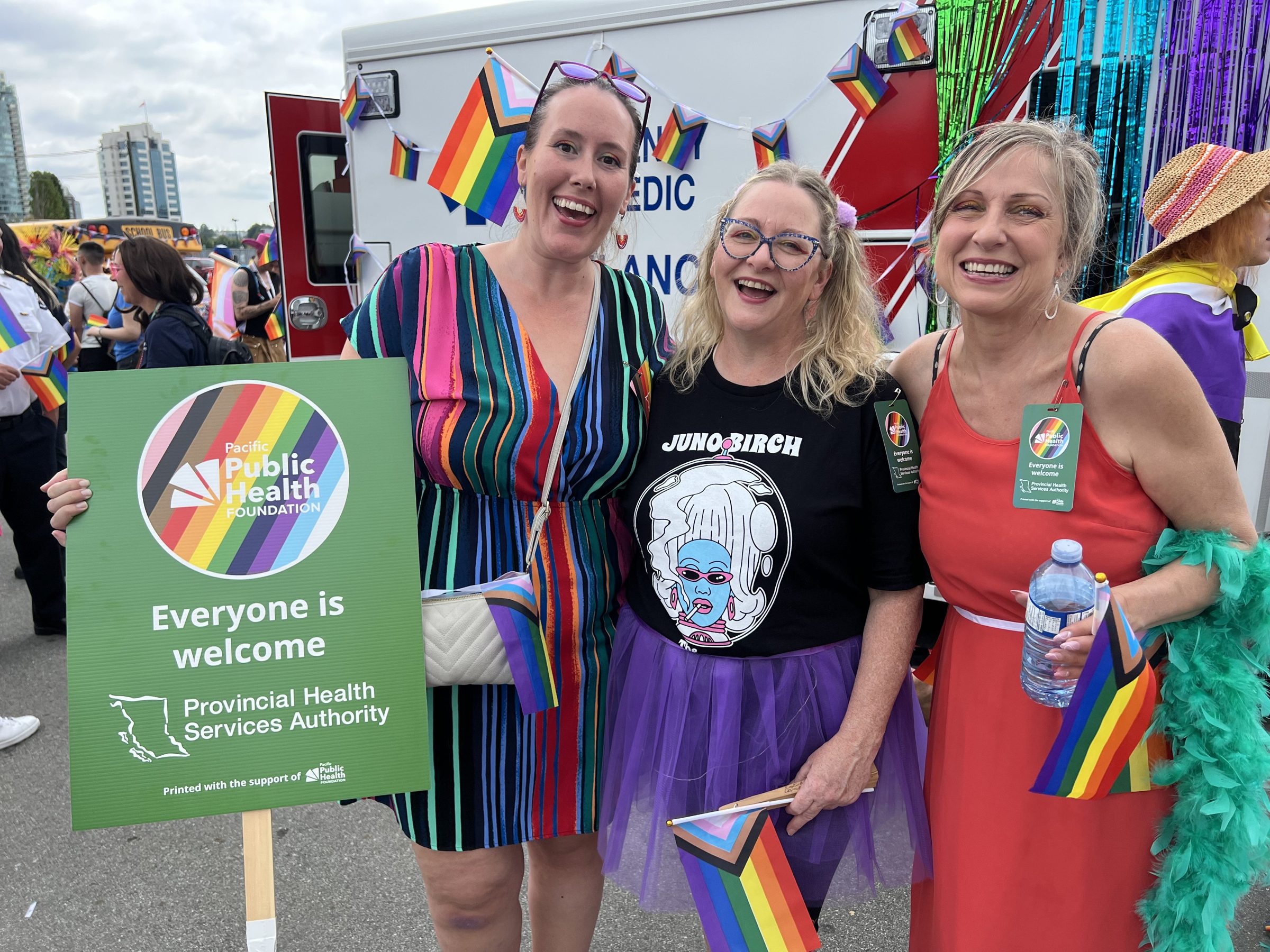
We had such a great time at the Vancouver Pride Parade! We joined the Provincial Health Service Authority (PHSA)’s parade float and walked alongside our PHSA partners and friends. It was their first organization-wide Vancouver Pride Parade entry and was a great success.
For some, the COVID-19 pandemic seems far in the rearview, but the reality is that we are not in a post-health-emergency era. COVID-19 is still with us and will be with us in the future. Beyond that, there are continuing and ongoing public health threats that we see around the world every day — Ebola, anti-microbial resistance, and the impacts of climate change, to name a few — that make it a public health priority to collaborate on strengthening preparedness and health security to tackle global health threats.
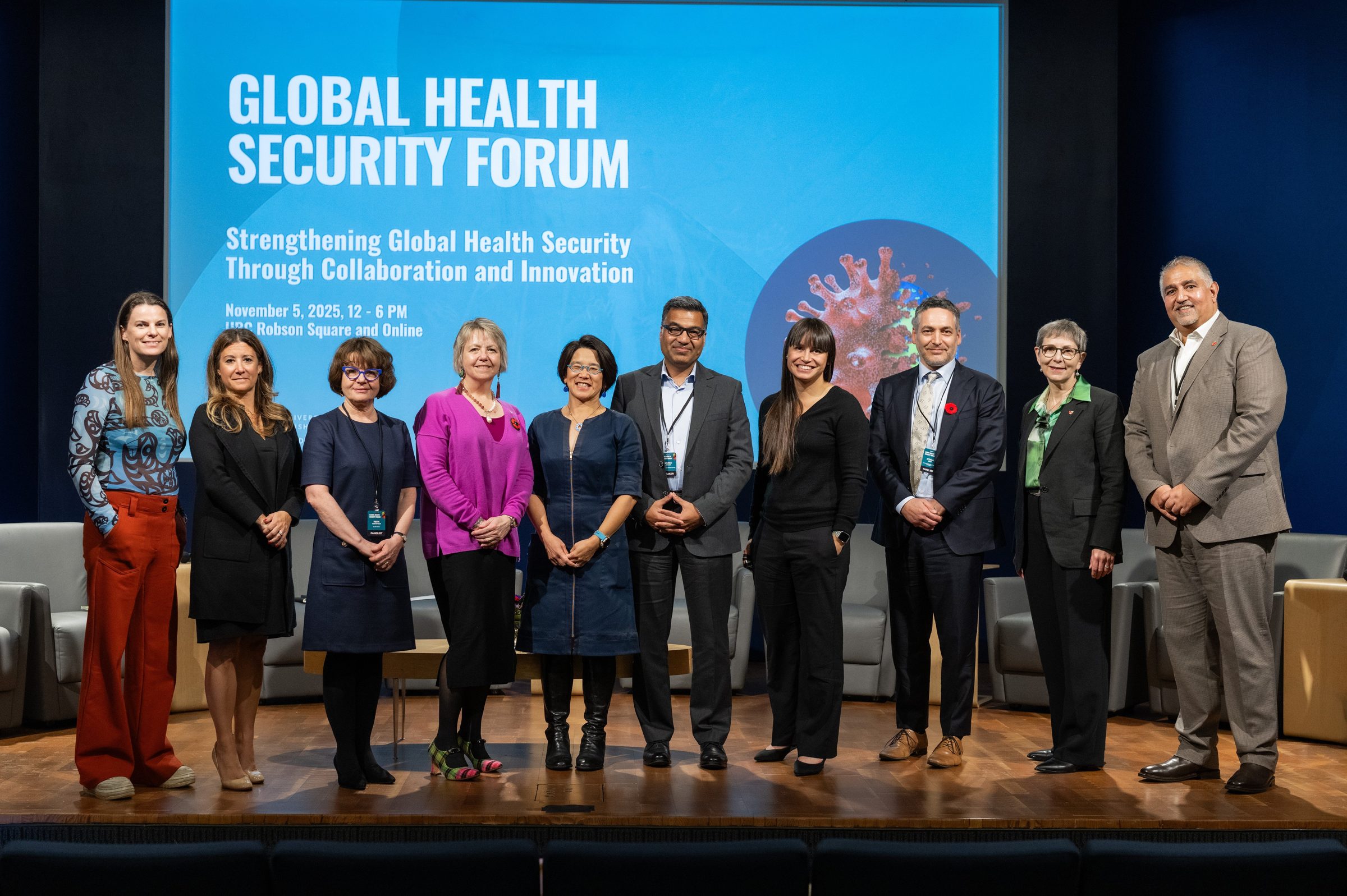
To help prepare for what is to come, the Foundation proudly co-hosted the Global Health Security Forum in Vancouver, along with our partners at UBC Centre for Disease Control and the BCCDC, where public health leaders from around the world came together to talk about lessons learned from the global response to the COVID-19 pandemic. They discussed their experiences, the collaboration needed to be continually prepared for another global health event, and how the One Health approach — defined by the World Health Organization as an integrated, unifying approach that aims to sustainably balance and optimize the health of people, animals and ecosystems — is essential to understanding and preventing the next global pandemic.
Panel members at the Global Health Security Forum included Shannon Waters, Deputy Provincial Health Officer, British Columbia; Maria D. Van Kerkhove, World Health Organization; Réka Gustafson, Vice President, Population & Public Health and Chief Medical Health Officer, Island Health; Bonnie Henry, Provincial Health Officer, British Columbia; Erica Pan, Director and State Public Health Officer, California Department of Public Health; Naveed Janjua, Executive Director, BCCDC; Tara Kirk Sell, Johns Hopkins Center for Health Security, Johns Hopkins University; Stefan Raos, General Manager, Moderna Canada; Natasha Crowcroft, Public Health Agency of Canada; and Jat Sandhu, Chief Strategy Officer, BCCDC.
We were prepped and ready. After months of fundraising, making posters, and promotion on social media, we filled our water bottles, crossed our fingers for good weather, and made it to the starting line of the Vancouver Half Marathon & 5km Charity Challenge! Our entire team showed up for the big day along with other supporters and family members. All together, we smashed our goal and raised over $5,000 for important public health initiatives and contributed to the overall total of $475,000 raised by the 46 charities that participated! Here are some reflections from the team about their experience:
“How I was feeling after the 5K? Drained, dizzy, sweaty. Print that. One of the thoughts going through my head was how everyone was supporting one another’s success. Similar to public health, our broader population health is more impactful than any one individual’s gain. If we focus on lifting one another up, ensuring people reach the finish line together but in the way they need, we create a better experience for everyone.” — Matt, Chief Operations Officer
“I felt very inspired, not only by how our entire team came together but also how many other organizations showed up to support their cause. It was uplifting to see so many people come together in one space.” — Emily, Program Coordinator
“It was an amazing day with our team — a day filled with heart and unity — inspiring to witness the community come together in support of so many great causes!” — Tracy, Manager, Major & Legacy Giving
Pacific Blue Cross Health Foundation
Donor Spotlight

We gratefully acknowledge and thank the Pacific Blue Cross Health Foundation for its generous two-year funding commitment to the Kloshe Nanitch medicine bundles project. Through Health Foundation donations, staff initiatives and corporate sponsorships, Pacific Blue Cross supports more than 300 organizations and non-profits improving health and well-being across British Columbia each year. We are honoured to have the Foundation’s support for this Indigenous-led initiative, which helps communities across the province access traditional and Western health and wellness resources.
Working Towards Reconciliation
Grounding documents such as the Truth and Reconciliation Calls to Action (TRC report) help guide us in the important work we are doing to uphold the rights of Indigenous peoples. Call to Action 22 in the TRC report asks those within the Canadian healthcare system to recognize the value of Indigenous healing practices and use them in the treatment of Indigenous patients, in collaboration with healers and Elders. This project is a direct response to this call to action. It uses Indigenous ways of knowing and being to develop and gift Kloshe Nanitch medicine bundles to Indigenous communities throughout BC. It is led by Chee Mamuk — the self-determining Indigenous-led program within the BCCDC.
A Two-Eyed Seeing Approach to Health
Co-designed with Indigenous communities, Kloshe Nanitch ‘Take Care’ bundles support a full spectrum of peoples’ lived experiences. Through culturally grounded gifting, bundles share seasonal wellness supports, harm reduction resources, health information and relational outreach to support Indigenous individuals, families and communities. They also fulfill spiritual priorities by including traditional medicines such as sage and sweetgrass, as well as messages of love, kindness, hope, and resilience.
Gifting is an important way to show respect in Indigenous cultures. These bundles are gifted at community gatherings, such as community-led Soo Kwun Be Nawhenije (Healing Fire) Ceremonies. This act of gifting builds trust and reciprocity, demonstrating care and love as people connect in relationships and understanding.
The bundles have been assembled and gifted to communities in Northern BC, Vancouver Island and the North Coast, the Interior, and the Lower Mainland. They have been gratefully received and continue to be requested in high demand by communities. Recipients have noted that receiving a bundle as a gift creates a desire to give back. Many choose to share items with others, further deepening their sense of connection, reciprocity, and belonging. Recipients also use the bundles to build bridges with neighbouring Indigenous communities and Nations.
The Gift of Cultural Connection
Kloshe Nanitch bundles are more than just handing out supplies. They are an Indigenous-led public health intervention that communicates care, connection, dignity, belonging and reciprocal responsibility. Their contents and distribution approach are shaped through community relationships and Indigenous ways of knowing.
Interior Health
Partner Spotlight

This year, we continued our partnership with Interior Health (IH) by working together to support projects that address the impacts of climate change, and provide eye exams and glasses to children across the region. We thank them for their continued collaboration, and dedication to supporting public health programs in their communities.
Interior Health Climate Change and Sustainability Roadmap
The Foundation supported our IH partners in their work to create the policies that will help protect residents when climate emergencies occur. The team completed climate change, health vulnerability, and adaptation assessments in their region, which includes 59 municipalities, 10 regional districts, 14 Métis Chartered Communities, and 54 First Nations communities. They engaged with local governments, organizations serving population groups experiencing vulnerabilities, funding partners, Nation Health Advocates, Métis Nation British Columbia (MNBC), and First Nations Health Authority.
These assessments helped develop organizational response plans for extreme heat, poor air quality due to wildfire smoke, and cold weather. These plans outline best practices to guide staff during an activation, to empower them to protect clients and communities. When activated, the heat and cold weather plans trigger activities that protect health and save lives by ensuring that community members at highest risk are connected and supported.
Providing Vision Screening for Children in Central Okanagan
For many kindergartners and their families who do not have vision coverage as part of a healthcare plan, costly eye exams and prescription glasses are out of reach. As a result of the COVID-19 pandemic, vision screening previously provided to students in the Central Okanagan school district was discontinued. Since then, there has been a significant decrease in children’s routine eye care. Too many children have preventable, treatable eye conditions that are going undetected.
This is why the Foundation partnered with IH to fund a pilot project by the BC Doctors of Optometry (BCDO) and Central Okanagan Public Schools, to provide kindergarten students with eye exams, and prescription glasses, at no cost to their families.
Thanks to this program, kindergarten students at multiple Central Okanagan elementary schools are receiving one-on-one, comprehensive vision exams while at school. After students receive their exam, they are provided a written copy of their results to bring home. If the optometrist finds a child has vision problems, they will contact the family directly to follow up, and the students who require glasses are provided a pair — courtesy of the BCDO, and our Foundation.
“I cannot thank Pacific Public Health Foundation enough for making this initiative possible. Through your support, more than 1,400 kindergarten children across the Central Okanagan received vision screening or assessment, and approximately 50 children were identified with amblyopia, a potentially lifelong vision impairment if not detected and treated early. The project demonstrated the value of bringing vision services directly into schools and helped improve access to care for children and families who might otherwise have faced barriers to assessment and treatment.” — Silvina Mema, Project Lead and Deputy Chief Medical Health Officer, Interior Health
Thank You to our Partners
Thank you to our partners across all areas of public health, who continue to offer advice, support, and guidance to the Foundation. Public health is a community endeavour, and none of the projects we support would be successful without the strong partnerships needed to accomplish our goals. By giving us your time and expertise, we can confidently invest in groundbreaking work that directly impacts communities in BC, Canada, and around the world.
Meet our PartnersThank You to our Donors
Thank you to all our donors, whether you give annually, monthly, or faithfully respond to our direct mail campaigns. Your generosity and thoughtful support makes our work possible. Your dedication to the health of communities across British Columbia is the reason we are able to champion such impactful public health initiatives. We hope you are proud of what your investment is making possible through the many projects featured in this report. You are improving lives today and helping to create healthier, stronger communities for generations to come. We are profoundly grateful for your partnership and commitment to advancing public health.
Meet our DonorsThank You to our Board of Directors and Advisors
We would like to thank our Board of Directors and advisors, who contribute so greatly to the success of our organization, and who have guided our new CEO and management team through a new era at the Foundation. These accomplished professionals volunteer their time to help direct our growth and success because they are dedicated to public health, community wellness, and care deeply about the work we do. We thank them for their careful stewardship and commitment to our cause.
Meet our Board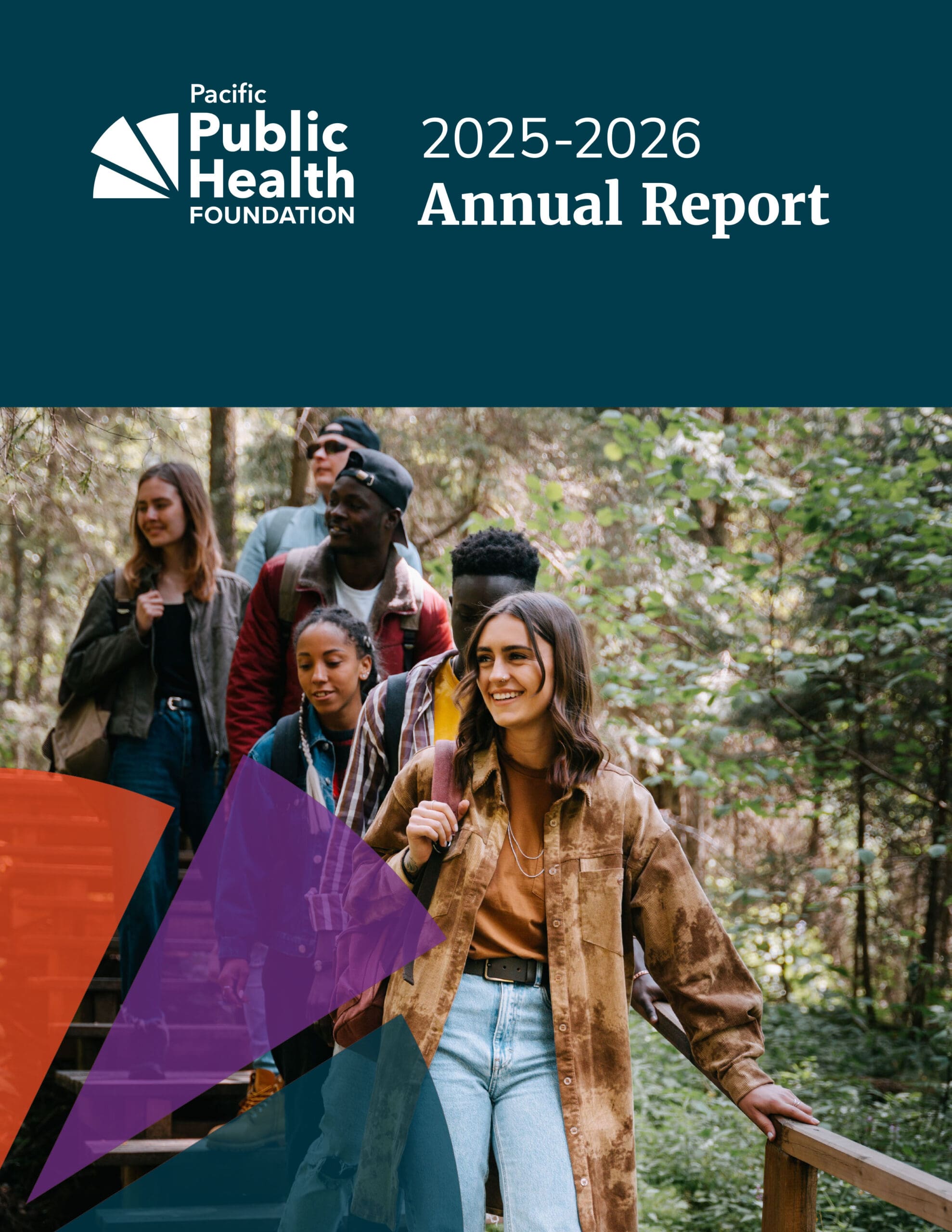
Annual Report
Each year, the Foundation continues to undergo strategic development and growth to elevate our mission to be a leader in public health philanthropy, engaging and investing in innovative, collaborative, and evidence-based initiatives that improve population health.
We invite you to read our annual reports and financial statements as we showcase our stories and successes.
View the report as a PDF:
2025-2026 Annual Report