Winter is coming… and with it comes the familiar resurgence of respiratory viruses including the flu. Although catching the odd cold over the winter months is normal for most people, something that we don’t often prepare for is norovirus (more commonly but incorrectly known as the stomach flu). A few interesting facts about norovirus: it is more prevalent in the winter months, the norovirus that infects humans can only infect humans, and it takes as little as 100 particles of to infect a person. It is also the leading cause of viral foodborne illness in BC and globally – not because of food spoilage, but from the virus (in feces or vomit) coming into contact with food.
That’s right folks, norovirus spreads when food comes into contact with human feces or vomit before being consumed.
Not only is this unappetizing to think about, but more importantly, it is a threat to public health, food security, and the economy in BC. Although rarely life-threatening, norovirus causes diarrhea, vomiting, dehydration, stomach pain, and general misery for those afflicted. Consumption of shellfish contaminated with fecal pathogens has caused significant illness to consumers in BC, and the closures of contaminated oyster harvesting sites have both cultural and economic consequences.
Why Shellfish?
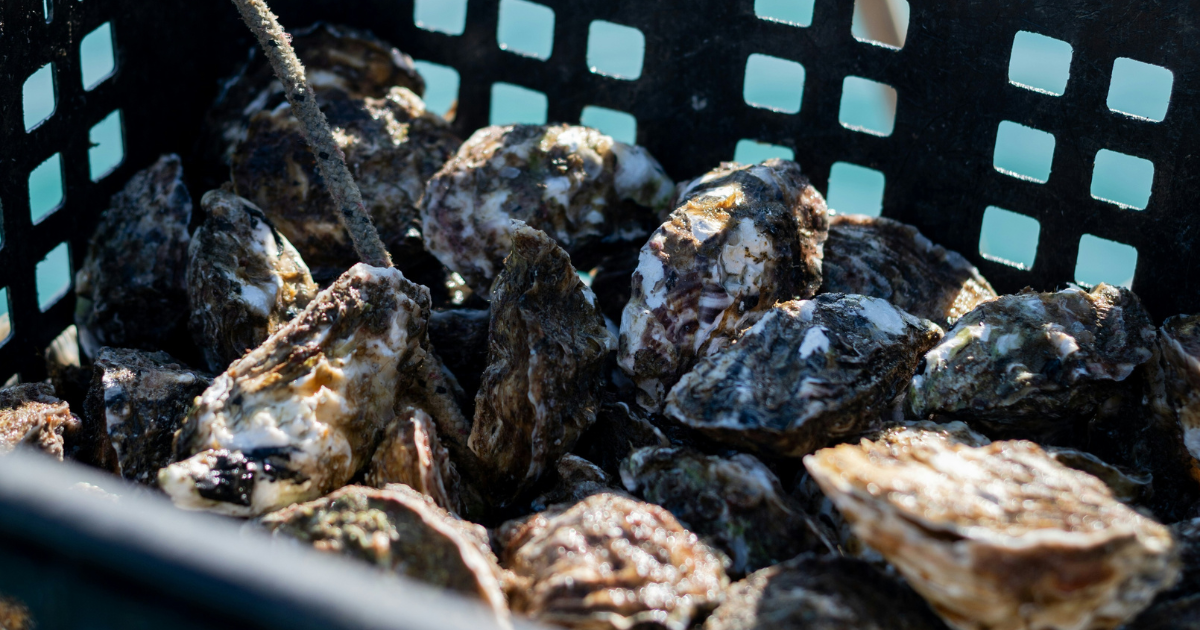
Norovirus isn’t the only pathogen that can end up in shellfish. Other harmful microbes, such as Vibrio parahaemolyticus and Salmonella, can also be found in marine waters when contaminated with fecal materials. This fecal material can enter waterways in many ways — from wastewater, boats, failing septic tanks and animals. Because shellfish like oysters pump large volumes of seawater each day to feed, they can efficiently concentrate viruses and bacteria present in contaminated water. Cooking shellfish can reduce this risk, but many people enjoy them raw – and that’s where problems can arise.
When contamination occurs and/or an outbreak is declared and traced to a specific harvesting area, the site is shut down from shellfish harvesting. However, these closures rarely identify how or why the outbreak/contamination occurred (i.e. the specific source of the fecal contamination). And without finding the source, contamination can continue, leaving the possibility of future illnesses.
How Can We Fix This Problem?
The Foundation helped fund a project, conducted by environmental public health experts at BC Centre for Disease Control (BCCDC), in partnership with Genome BC, that is evaluating whether contamination sources of marine shellfish harvest sites can be identified. The Genomic Ecological Microbial Source Tracking for Oceans Nature and the Environment (GEMSTONE) project uses Microbial Source Tracking (MST) tools to detect and identify the species and potential source of the contamination (i.e., the old adage, ‘who pooped in the water?’) This work will also strengthen decision makers’ ability to develop long-term interventions and protocols to prevent contamination in the future. By providing a clearer understanding of how contamination occurs, this information will empower industry partners to identify and address contamination sources within their own operations. In this way, knowledge becomes power—equipping both regulators and industry with the insight needed to take proactive, evidence-based actions that protect public health and prevent future contamination events.
Ultimately, this research will help develop tools that can be used to ensure that our marine waters are cleaner, and the food we harvest and consume in BC is safer. It will help reduce the amount of food-borne illness in our communities, and making our winter cold and flu season a little bit easier.
The GEMSTONE project is just one in a series of projects the Foundation supports to improve environmental and food safety in our province. Please donate to support work that helps keep our communities safe.
DONATE