The climate crisis facing our world has immense population health impacts, such as emerging infectious diseases, mental distress, food insecurity, and exacerbation of health disparities for populations experiencing inequities. To mitigate these impacts, we must prepare ourselves by strengthening organizational and community readiness, before another climate-related event impacts our province. With this in mind, we supported our partners at Interior Health (IH) in their work that incorporated community feedback to inform the policies that will help protect residents, when climate emergencies occur.
The Impacts of Extreme Weather on Populations at the Highest Risk
The 2021 heat dome in BC resulted in 619 deaths, and was the deadliest natural disaster in our province’s history. According to the Report to the Chief Coroner of BC, heat-related deaths were higher among seniors, as well as those with chronic diseases, with more than 60% of decedents having seen a medical professional within a month of their death. These sobering statistics show that the most vulnerable in our communities were the ones most negatively impacted by this natural disaster, and why it is so important to ensure health equity is at the forefront of climate change readiness planning.
Strengthening the Plan with Regional Engagement
The IH Climate Change and Sustainability Roadmap (2023-2028) is the guiding force behind this work. The Roadmap is a tool that empowers staff in the IH region to proactively plan for the challenges of climate change, and to promote sustainability across the organization, and with communities. The goal of this work is to establish IH as a leader in adapting the public health system in ways that contribute to the well-being of communities, and planetary health.
In support of the implementation of the Roadmap, the team began by coordinating climate change, health vulnerability, and adaptation assessments in their region, which includes 59 municipalities, 10 regional districts, 14 Métis Chartered Communities, and 54 First Nations communities. Through these assessments, the team engaged with local governments, organizations serving population groups experiencing vulnerabilities, funding partners, Nation Health Advocates, Métis Nation British Columbia (MNBC), and First Nations Health Authority.
Their objectives were to:
1) Assess the health impacts of climate change across the region and understand the vulnerability and adaptive capacity of communities. This information is then to be used to guide collective actions that reduce risk and improve long-term community resilience; and,
2) to strengthen community-based seasonal readiness planning, with a focus on the climate hazards that most impact public health and well-being in the IH region, like extreme heat, wildfire and smoke, flooding, drought, and cold.
Improving Community Preparedness
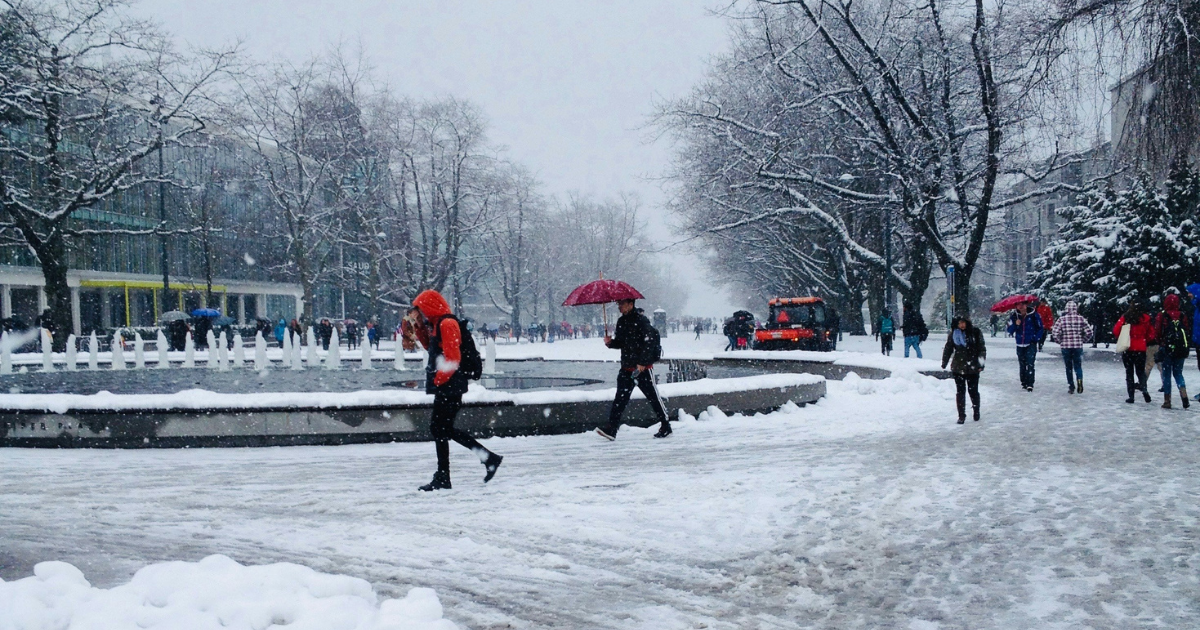
Through the community preparedness scans, the team recognized the strengths that already existed when responding to climate-related hazards. They highlighted communities facing the highest risks, and identified where more support was needed, especially in rural and remote areas. Findings were shared with Medical Health Officers (MHOs) and emergency management teams, to improve planning during future extreme heat, cold weather, and poor air quality events due to wildfire smoke.
The team also helped with the development, improvement, and implementation of organizational response plans for extreme heat, poor air quality due to wildfire smoke, and cold weather. These plans outline best practices to guide staff during an activation, to empower them to protect clients and communities. When activated, the heat and cold weather plans trigger wellness checks for clients connected to home health and mental health and substance use programs, saving lives by ensuring that community members at the highest risk are connected and supported.
—————————————————————————————-
Collaborating with communities to improve the well-being of population groups at highest risk from climate-related hazards is public health in action. The Foundation is proud to support this work, in addition to other research projects looking to address the impacts of extreme weather events throughout the province. Please donate to help us continue supporting these kinds of important initiatives.
DONATE