
*Content Warning: This article contains information on disordered eating and mental illness
According to the 2023 BC Adolescent Health Survey — conducted every 5 years, with over 38,000 young people aged 12-19 in 59 of BC’s 60 school districts completing the survey
— youth were more likely to have self-harmed, suffered from eating disorders, and experienced abuse than in years past. They were also less likely to report positive mental health or feel hopeful for the future. These results are truly alarming and heartbreaking.
The Facts on Disordered Eating
Disordered eating usually includes a range of unhealthy eating attitudes and behaviours like weight loss dieting. It usually involves restrictive eating as a means to change body shape and size. In contrast, healthy eating should be flexible and enjoyable and includes having a positive relationship with food and our bodies. Chronic dieting can also result in nutritional deficiency, and can hinder growth and development for children and youth. Constantly thinking about food and weight robs young people of precious energy, mental space, the ability to fully enjoy their life, and can lead to poor mental health.
Seven per cent of youth said they have an eating disorder, which is over 2,600 youth in our province alone. According to the Canadian Paediatric Society, about 50% of teens have attempted a weight loss diet or are actively dieting — up significantly from previous years. Dieting is a major risk factor for the development of more severe disordered eating, and potentially a life-threatening eating disorder.
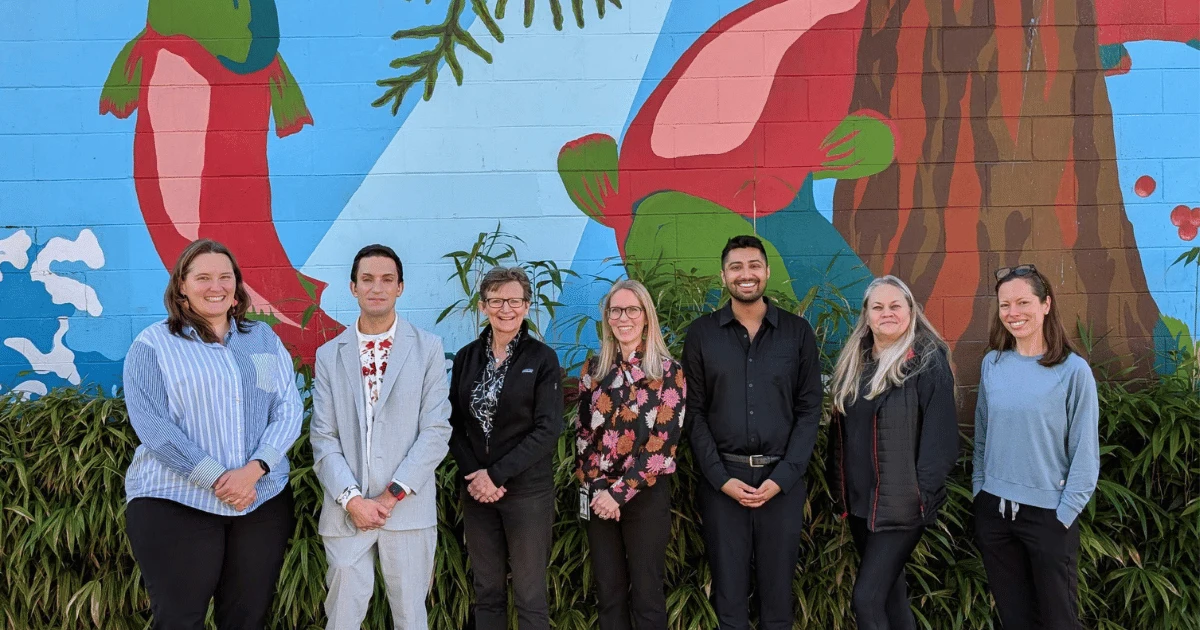
This information is being told to us directly from youth. Their mental health is worse than ever before, and they need help. This is why the Foundation is proud to have funded a project led by our partners at Northern Health Authority (NH), aimed at supporting positive relationships with food and body, and improving mental wellness among youth.
A New Way to Teach About Food and Nutrition
The NH team created a new curriculum tool for high school educators to teach about food and nutrition in an inclusive and student-centred way that helps protect against dieting behaviors, body dissatisfaction, and weight stigma. The tool will also be made available to guide dietitians, health professionals, and others who work or support educators.
The reason for this work? Mainstream conversations can promote a narrow view of what it means to “eat healthy” or “be healthy”. This curriculum tool helps students and educators expand their understanding of food and health, and build skills to critically engage with nutrition messages. Educational approaches that support a wholistic view of health and food have been shown to foster life-long positive eating attitudes and behaviors, and protect against risk factors for disordered eating. Supporting positive relationships with food and preventing disordered eating is public health in action.
Collaboration is Key
To ensure this new educational tool will be engaging to students and useful for educators, the NH team interviewed educators to determine the interest and need for new curriculum resources, and created an advisory group to inform the development of new resources.
They then sought advice and engagement from the National Eating Disorder Information Center, the Northern Health Regional Eating Disorder Clinic, First Nations Health Authority, public health dietitians, experts from other BC health authorities, BCCDC, the Ministry of Health, and public health colleagues from outside the province. They used the First People’s Principles of Learning and the Universal Design for Learning Guidelines to direct their work, using decolonized, inquiry-based, and equity-informed teaching practices.
What Will Students be Learning?
The new curriculum includes two comprehensive, stand-alone, ready-to-use units.
The first unit is a deep dive into Canada’s food guide. Designed for secondary classrooms, the unit goes beyond the basics to examine the food guide through a historical, cultural and personal lens. Students will understand the food guide as a dynamic resource shaped by historical events, colonialism, scientific evidence, and population needs. The goal for this unit is for students to reflect on why historical, cultural, and personal contexts are important for understanding and interpreting Canada’s food guide.
The second unit explores how narratives shape understanding about food, health, and well-being. It emphasizes story and personal reflection to foster critical conversations about food, covering topics like food’s connection to social, emotional and mental well-being, health narratives and the social determinants of health, narratives about health and body size and intersection with power and privilege, weight stigma and body inclusivity, and diet culture.
Once launched, this curriculum — that centres the real lives of students and their experiences with food and diet culture — has the potential to be implemented by countless educators, and used by students across Northern BC and beyond. The first unit will be available in spring 2026, and the second will be launched later in the year. The NH team is making this new teaching tool available to everyone via their website.
If you have any questions about this work, please contact PopHthNutrition@northernhealth.ca
This type of applied public health project that directly impacts the health and wellness of young people in our communities is an example of why the Foundation exists: to invest in innovative, collaborative, and evidence-based initiatives that improve population health. The continuous support of our donors allows us to take on this impactful work, and we thank you for joining us in creating a healthier, safer, more equitable future for all.