Promoting Indigenous Health & Wellness
The heart of a Traditional xʷməθkʷəy̓əm Musqueam Salish Sea-going Canoe
Celebrating Canoe Culture
The canoe is an important cultural symbol for many Indigenous people, representing so much more than transportation. It is about identity, community, and for many coastal nations, a shared connection to the land and water. The canoe has a strong and long history of cultural traditions that build and honour relations across generations and nations.
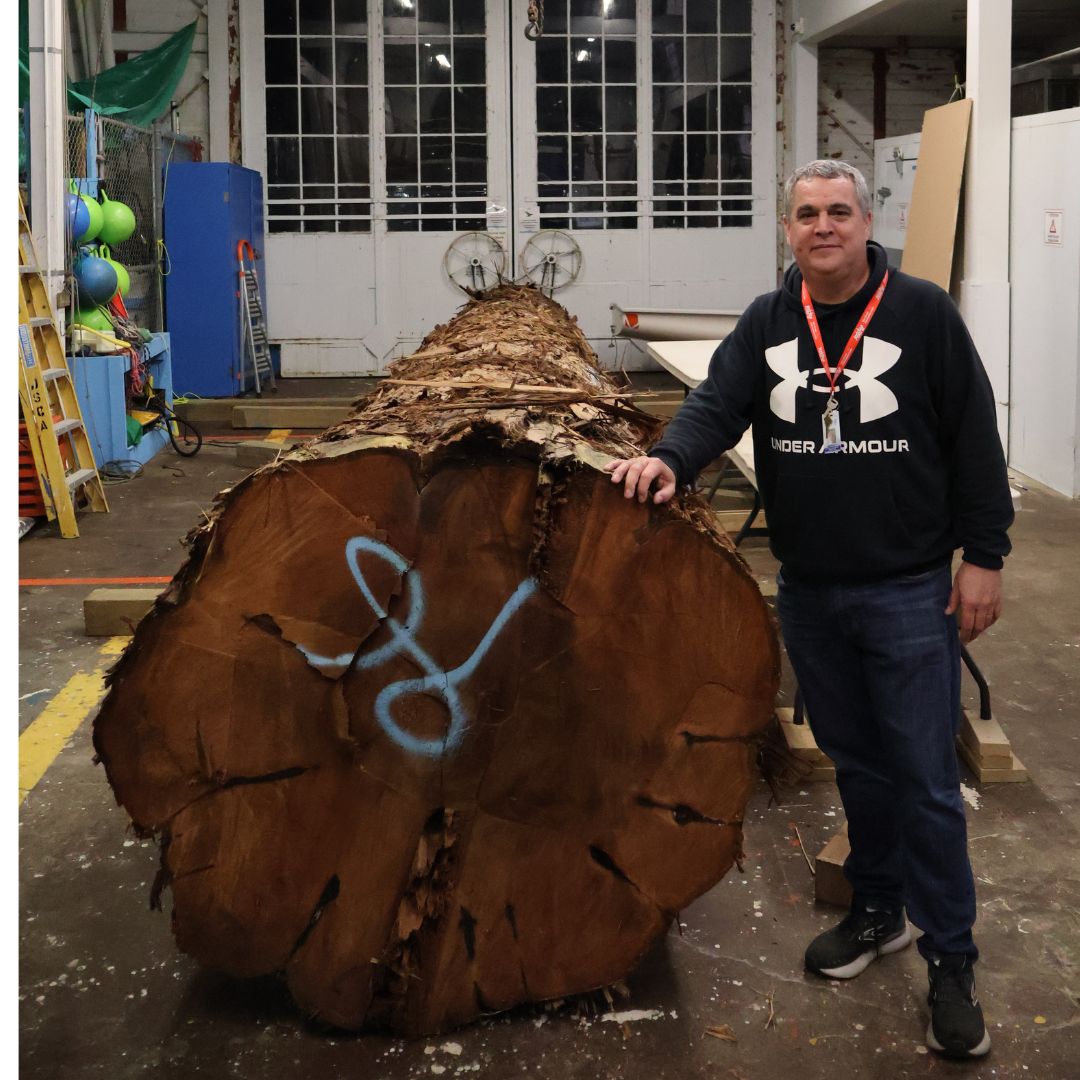
Building awareness for why that culture matters, and how it plays a role in protecting and preserving health and wellness within Indigenous communities is why we celebrate the opportunity to support the crafting of a 36-foot traditional xԝməӨkԝəy’əm Musqueam Cedar Salish sea-going Canoe by Artist and Carver Jody Sparrow, one of only a few of its kind in 100 years.
This project shows us how we can support a learning journey, by creating opportunities to work together as settlers and Indigenous community members. Side-by-side we aspire to build vibrant communities in which all people can live their best life through better health and well‑being, grounded in equitable and culturally-safe practices.
Partners Connected through Purpose
Lead Educator and Facilitator, Michael Glendale ‘Gya’us’dees (GUY-use-deez)’ of the Indigenous-Specific Anti-Racism (ISAR) team and Dr Titus Wong, Executive Medical Director and medical microbiologist at BCCDC Public Health Lab, work at the Provincial Health Services Authority (PHSA). They conceived of this project after meeting with Jody Sparrow, a xԝməӨkԝəy’əm (Musqueam) and Skwxwú7mesh (Squamish) Carver, Artist, and ticketed professional Carpenter. They realized there was an opportunity to embrace the art of carving as a way to showcase and share Indigenous expertise and tradition, while also making space to create alignment and build relationships across communities.
The vision begins with crafting a 36-foot traditional xԝməӨkԝəy’əm Musqueam Cedar Salish sea-going Canoe, only one of a few in 100 years.
The canoe holds significance for many Indigenous people as a lasting symbol of resilience and culture. For this project, it is also a metaphor that can support a learning journey, by creating opportunities to work together as settlers and Indigenous community members, side-by-side. Similar to the act of paddling a canoe together in harmony and with true collaboration, we can only move forward towards a new world view when we are paddling in sync with intention and commitment.
Building and Paddling Together
This project provides a meaningful framework to support embodied learning, where participants can fully immerse in an experience of traditional Indigenous culture and ways of knowing. The Foundation is committed to this learning in support of our shared commitment to Truth and Reconciliation and the UN’s Declaration of the Rights of Indigenous Peoples (UNDRIP). This includes recognition of the importance of financial reconciliation and relationship building with Indigenous host nations, while supporting cultural revitalization, experiential learning, and respectful collaboration between Indigenous and settler community partners.
This work begins with a goal of engaging non-Indigenous community partners who have demonstrated an interest in becoming active allies in honouring, respecting, and celebrating Indigenous Peoples, culture, and contributions. The Foundation was honoured to be asked to participate, as we are guided by a commitment to fund innovative initiatives and pilot projects centered on the core work of public health: health protection, promotion, and prevention. This project is a living example of work that encompasses all three of these aims, tied together through activating allyship:
Protecting the health of communities and key populations is paramount, as we recognize the ongoing harms of colonialism that have contributed to poorer health outcomes for many Indigenous people across Turtle Island, or what we now call North America.
Promoting better health and wellness by focusing on bridging gaps, building awareness about intersecting drivers of health outcomes, and creating safer spaces for Indigenous people in healthcare and other spaces. This will continue to be a priority for many years to come. It may take generations to re-build and re-frame systems and views.
Preventing further harms by continually driving work that promotes social justice, anti‑racism, and thoughtful support for Indigenous health and wellness. We can only do this work by listening to Indigenous leaders, Elders and community members, guiding us on their priorities, with an emphasis on lived experiences and traditional knowledge.
Our immediate aim for this work is to secure the required funding that will bring this project to life. With funding, we can bring the artist, host nation, donors, and partners together in dialogue about the important meaning of this work and how it promotes improved health and wellness, equitable access to culturally safe care and public spaces, and the role that settler partners can play in taking action and responsibility for the “copper pot” work needed to take us forward in this journey of active Truth and Reconciliation. Copper pot work represents the deep work that non-Indigenous peoples must carry with respect to dismantling white-supremacy, systemic racism, and other forms of colonial violence.
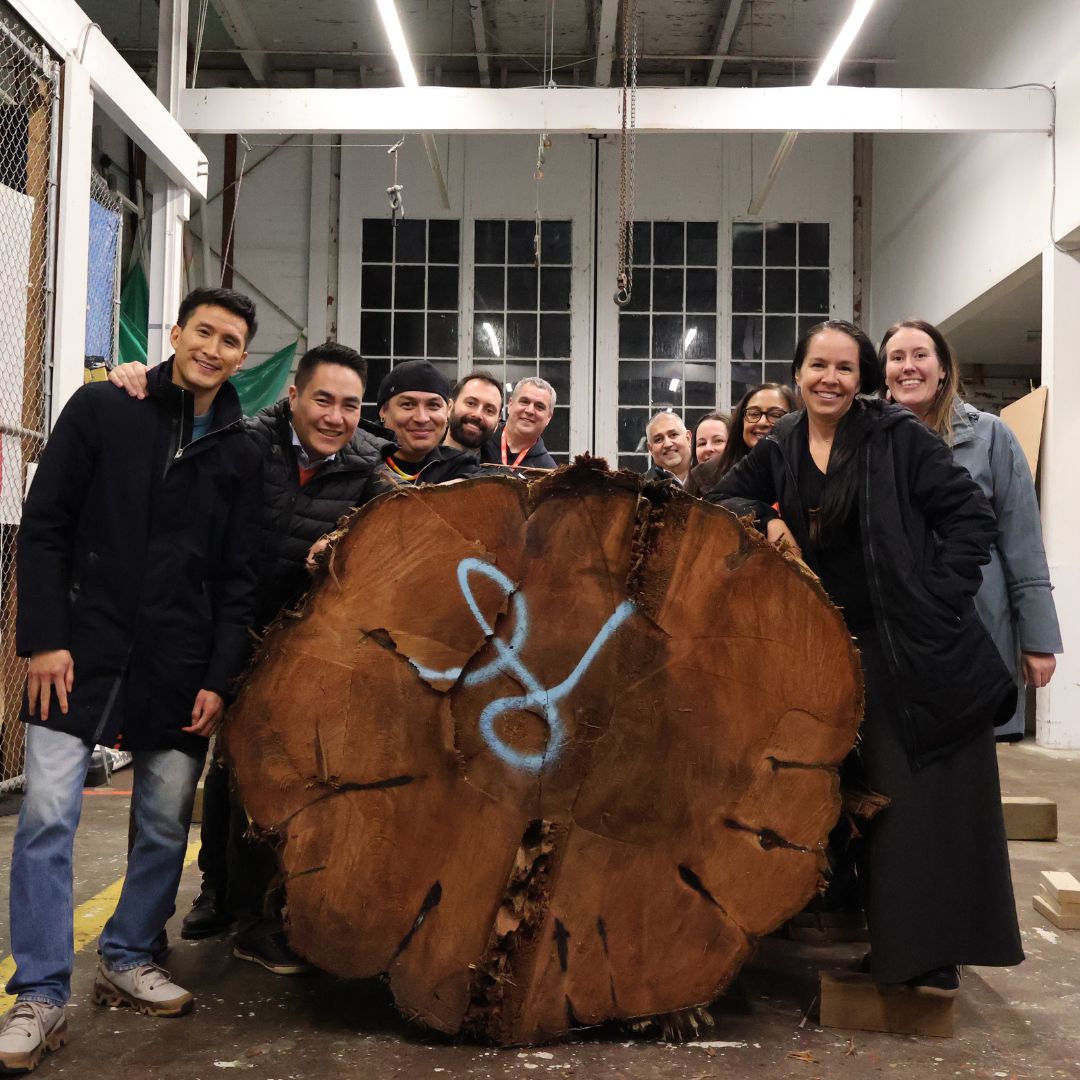
With funding secured, partners and interest holders will be invited to take part in carving the canoe, including time in the workspace and on the land with Jody Sparrow, the Artist. The ISAR team, led by Michael Glendale, is planning opportunities for on-site workshops and educational sessions for participants, to introduce and build awareness for Indigenous experiences and the historical actions of colonialism that continue to have impacts on Indigenous people’s health and wellness.
The lasting impact of these experiences is to build understanding and relations across communities, so that together we can continue to do the work needed to build a better way forward, while always remembering the past.
The canoe will remain a Musqueam community asset, accessible to First Nations members and youth. It will have a living presence, promoting time on the land and water as a way to reconnect and allow community members to continue to pass down knowledge and culture to future generations. It may, by invitation, remain accessible to the wider community so that learnings and relations will continue to evolve and grow.
Donate to support this important project.
DONATEGrounding our Work in Why it Matters
This work is guided by teachings gifted to PHSA by Coast Salish Knowledge Keeper Shane Pointe, Siem Te’ta-in, which offer guidance on how we may do our best as human beings and show up in relation to one another.
Whax hooks in shqwalowin “Open your hearts and minds to what is being taught to you. When you are open you are able to do your best”.
This is a true opportunity for us to learn from the abundant teachings that traditional Indigenous knowledge provides, around important issues like building relations and connecting to nature, protecting and preserving our environment, wholistic mind-body-soul wellness, intergenerational strength and learning, and building community health and resilience.
To truly support reconnection with Indigenous ways of knowing across the land, water, and all living things, this initiative provides a way to celebrate culture while also transforming ideas about how values and traditions are represented in our actions. For those of us who have benefitted from the historical harms committed towards Indigenous Peoples, this project is our opportunity to activate ongoing change and ownership for the work of reconciliation.
Interested in Supporting this Journey?
This is a living project, with infinite potential to shape and re-shape our collective experience and promote health and wellness for all. This is a key component of an effective public health system, looking beyond determinants of health to focus on broader improvements to the socio-economic factors that impact our collective health and wellness.
We have a responsibility to promote projects like this one within the public health space, encouraging us to work towards greater awareness for interconnected cultural values and traditions, with mindfulness for how we can play a part in actively changing a future that affects all of us.
For this future to become a reality, we must commit to building stronger, healthier communities with agency, intent, and authentic collaboration.
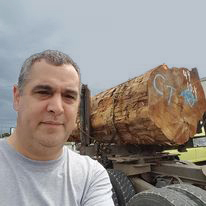
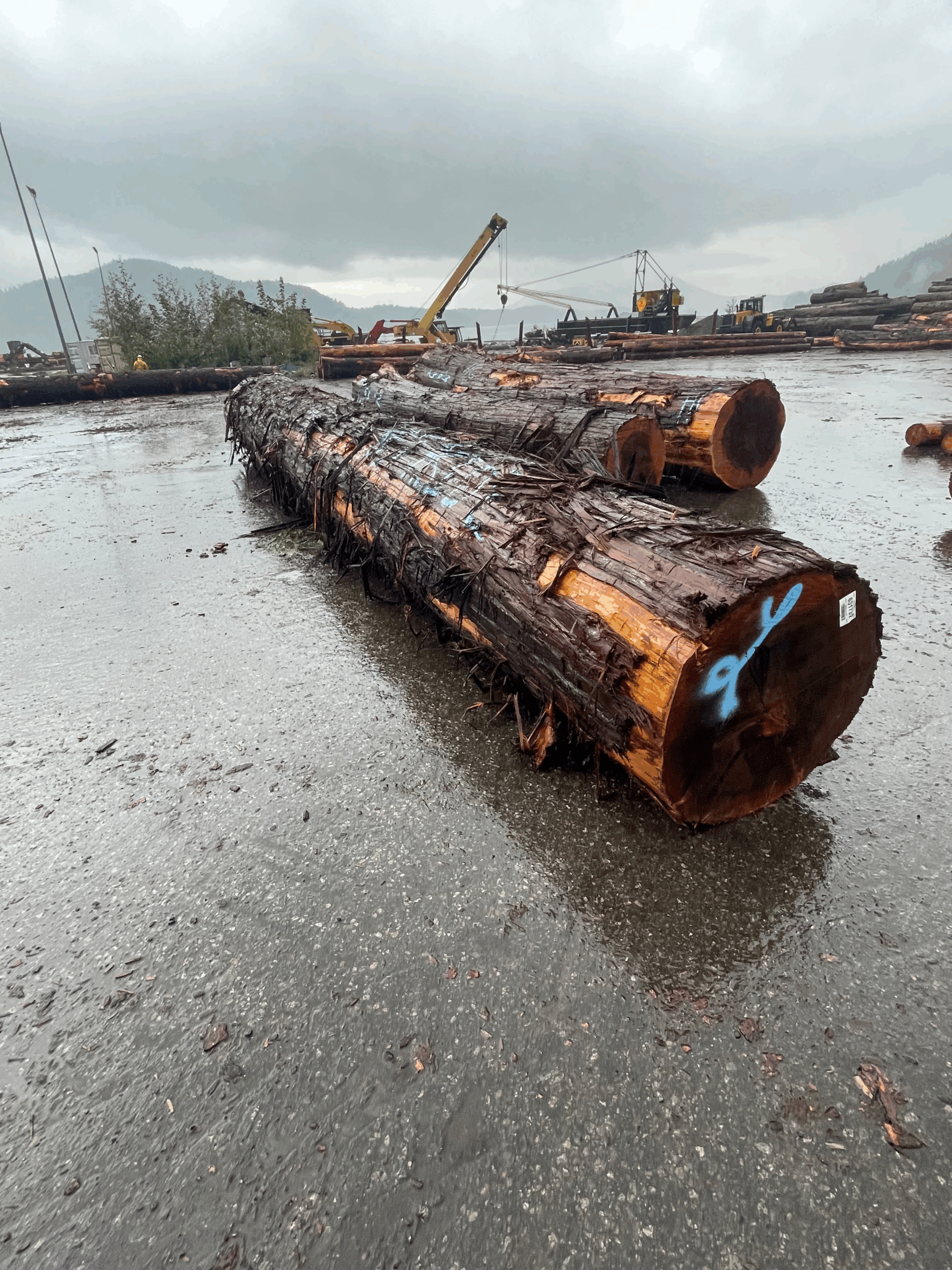
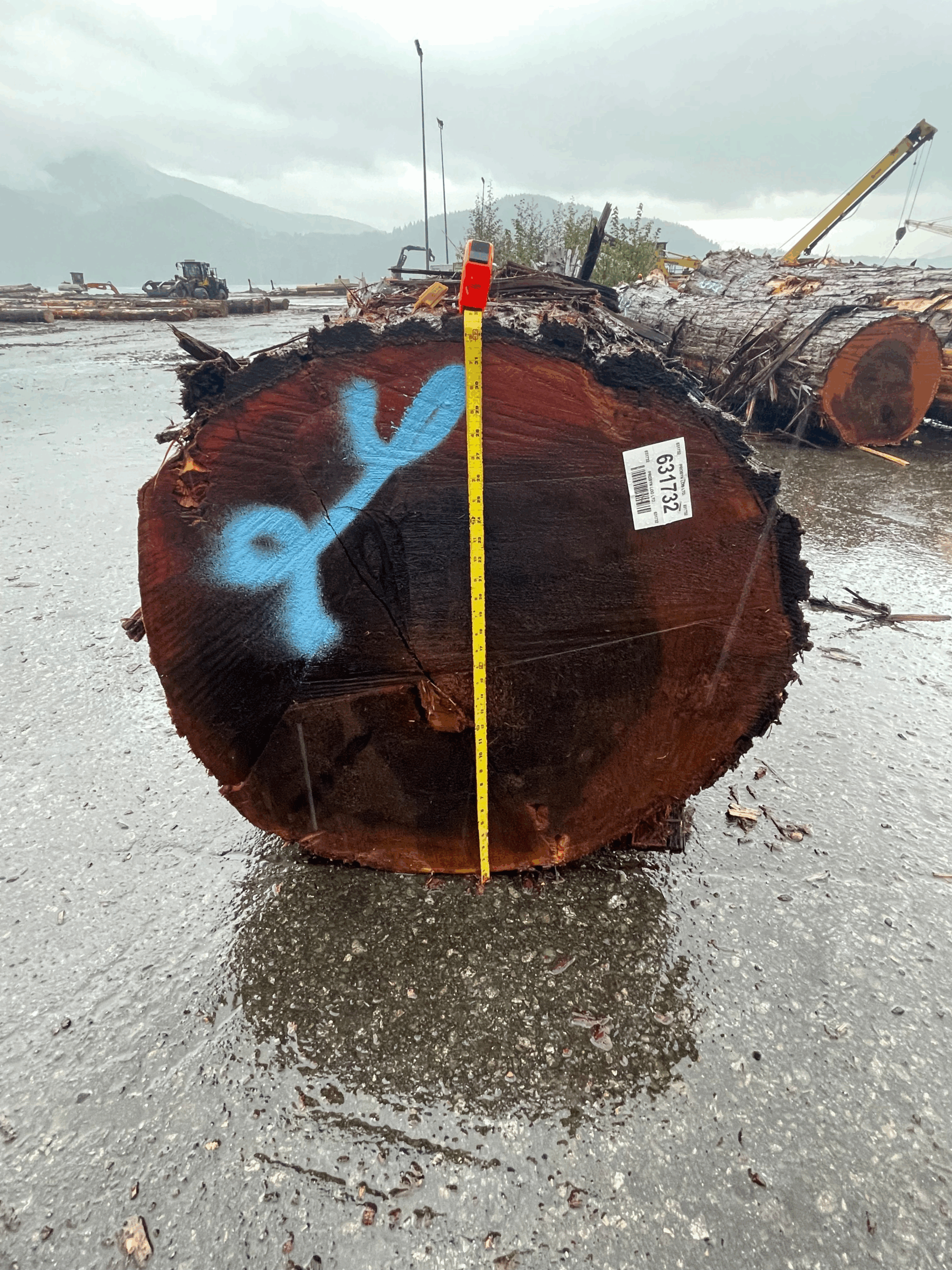
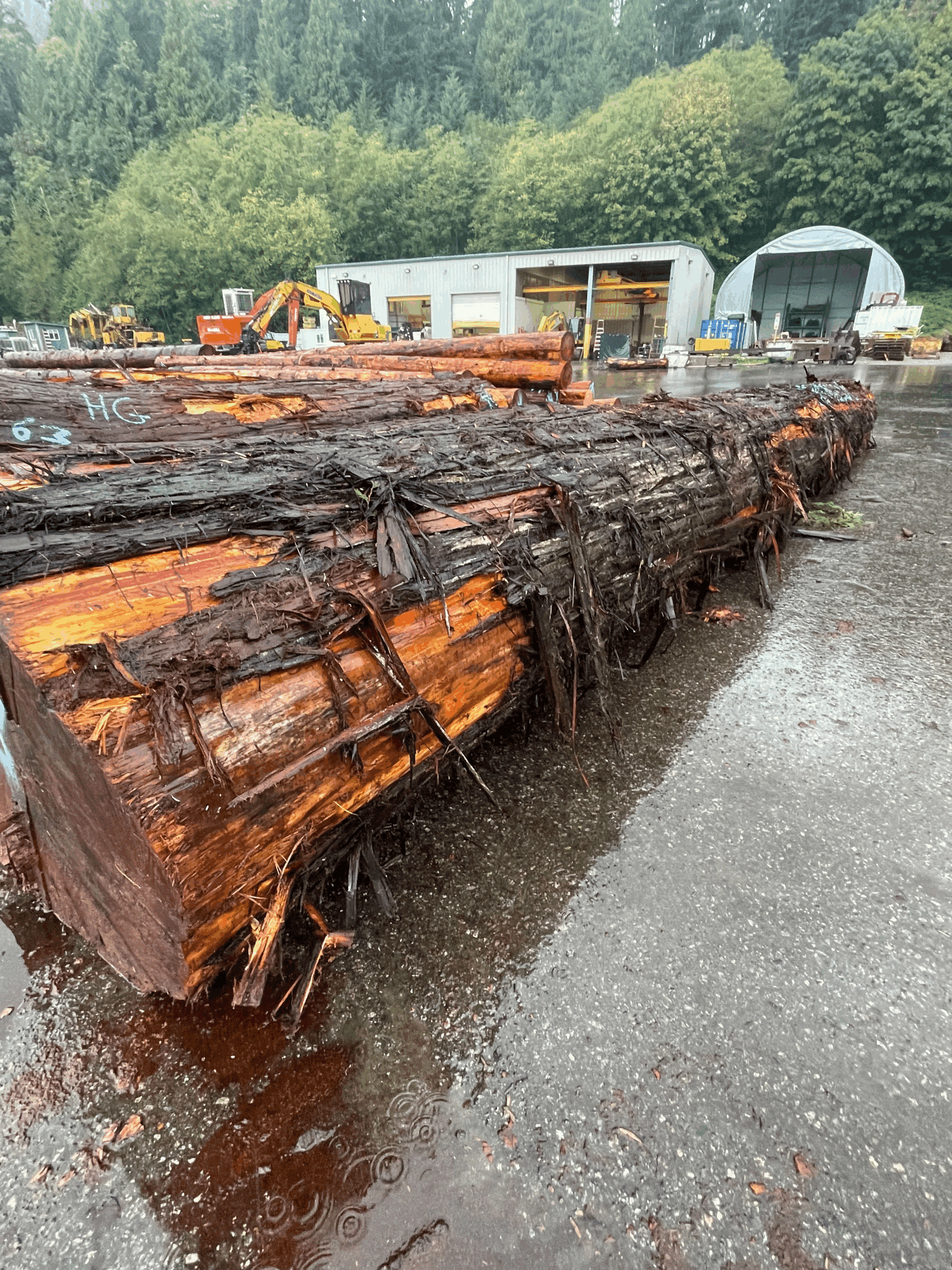
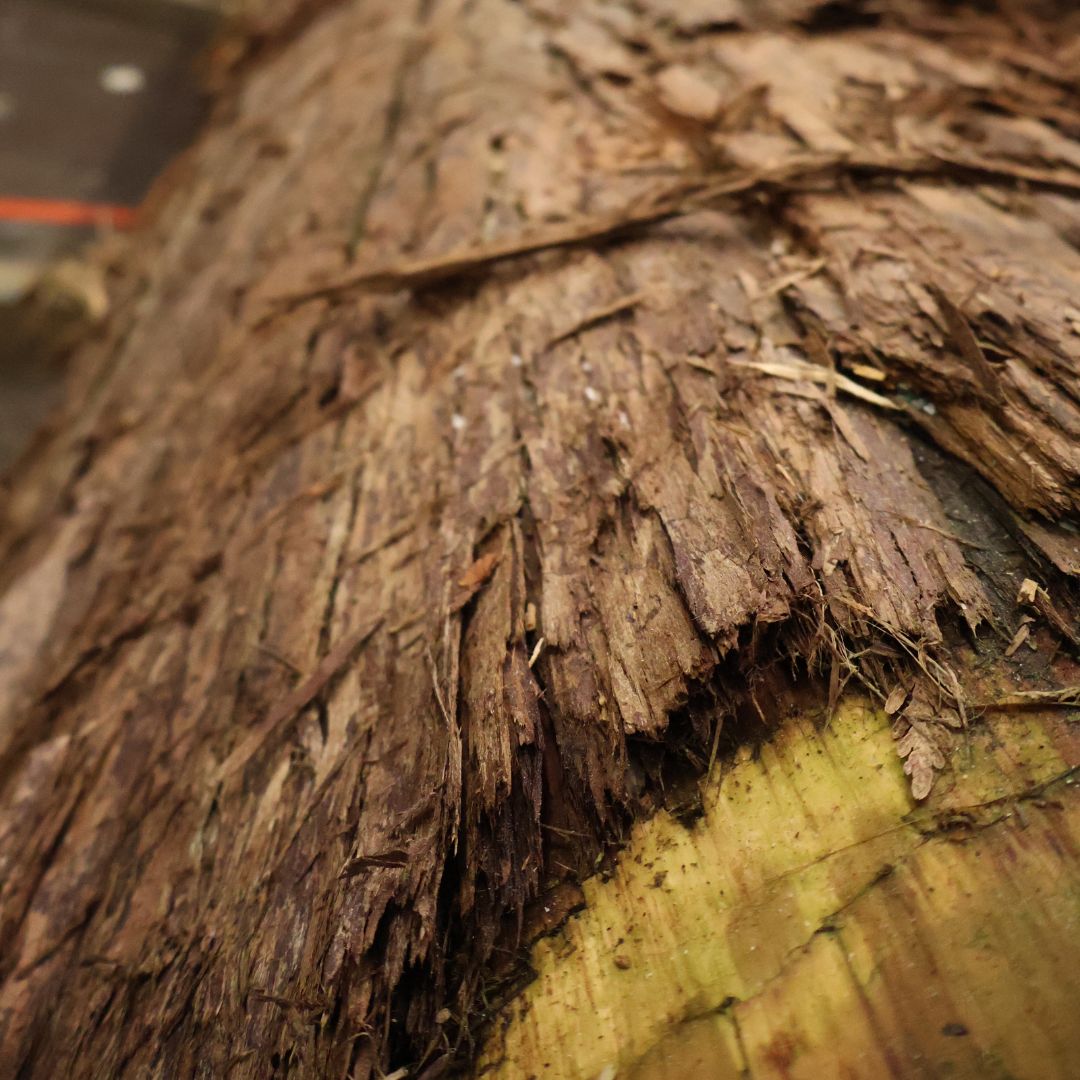
Donate to support the building of the xԝməӨkԝəy’əm Musqueam Salish sea-going Canoe — carved from Cedar timber thoughtfully sourced from the Laxyuubm Ts’msyen (Tsimshian) nation — and to provide engagement opportunities for Indigenous and non-Indigenous communities to come together in learning and reconciliation.
DONATE