Public Health Priorities
We know that public health is invisible… When it’s working. Every day, public health teams diligently work behind the scenes on research, policy, services, and programs that keep our communities safe. It is only when there is a breakdown in the public health system, like a boil-water advisory, deaths from an extreme-weather event, or a global pandemic, that the importance of this work comes to light.
Our Philosophy
Public health is truly the foundation on which good health is achieved, considering entire communities, not just individuals, when finding solutions to reduce premature death and minimize effects of diseases. Those who work in the public health field often talk about the 3 P’s to describe their work. Protection. Promotion. Prevention. Our public health priorities focus on protecting at-risk populations, promoting programs that keep people safe, and preventing illness and injury in a variety of ways.
We fund programs that take an upstream approach to improve population health. What is upstream? It has become a key analogy for how we must think about health. It is working to prevent illnesses and injuries before they occur. It encourages a focus on prevention, health promotion, protecting people and the environments that foster good health, and importantly, addressing social injustice, inequities, and the determinants of health. The upstream approach also includes thinking about public health through the One Health lens, by encouraging collaboration between partners in fields such as the economy, environmental studies, and government, to ensure that optimal health is promoted in all aspects of life by maintaining a continued connection between the health of people, animals, and the earth.
And what’s more? It is the most cost-effective means of healthcare. Preventing an illness, or injury, is always cheaper than paying for costly treatment after the fact.
Priority Support Areas
We invite you to explore the major projects we have supported and those that are currently active to learn how your donations can make a difference to the lives of British Columbians.
Immunizations
Immunizations have saved more lives than any other health intervention in Canada. They are essential in preventing illness and protecting the health of communities in BC, and around the world. Here are some projects we support that focus on the development, monitoring, promotion, and distribution of life-saving vaccines:

BCCDC’s vaccine effectiveness research continually monitors safety and efficacy of different immunizations to maintain the public trust, and ensure that we are all armed with the evidence-based information needed to make informed choices about our health.
During the pandemic, rapid-response research projectsaddressing COVID-19 vaccine research priorities and knowledge gapswere conducted. This vaccine research ultimately bolstered public health response and ensured access to, and confidence in, vaccination programs for everyone in BC.
Vaccine confidence and hesitancy research, conducted by surveying individuals working in healthcare settings in Northern BC, helped to shape future workplace vaccine campaigns, supporting the health of employees and the community in the Northern Health Authority region.
Addressing the Impacts of Extreme Weather Events
The climate crisis facing our world has immense population health impacts, such as emerging infectious diseases, mental distress, food insecurity, and exacerbation of health disparities for populations experiencing inequities. Here are some projects we support that address the consequences of extreme weather events brought on by climate change:
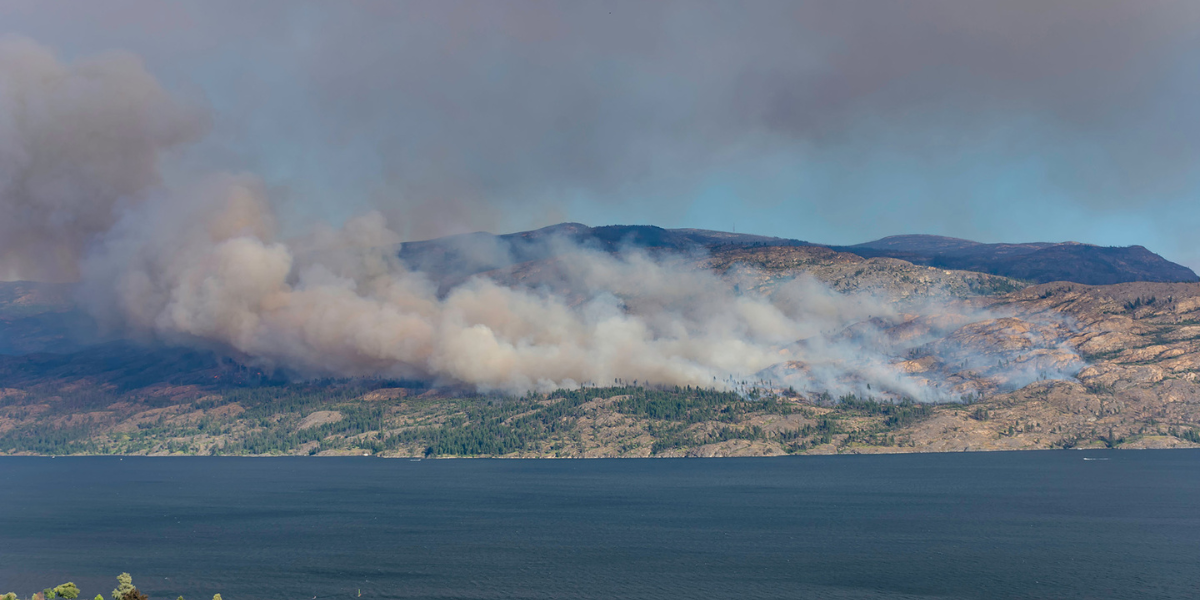
Using Partnerships and Data to Accelerate Temperature Extremes Science (UPDATES) is a project focused on climate change and adaptation that addresses the impacts of extreme heat and other climate disasters disproportionately borne by equity-deserving populations. This work will gather data through the continued development of the Sentinel Indoor Temperature Network (SITNet), providing much-needed information about the temperatures inside the homes of potentially susceptible people.
As our province becomes drier due to rising temperatures, researchers have noticed alarming increases of cyanobacteria (also known as blue-green algae) blooms in BC’s freshwater ecosystems. These blooms are highly toxic, particularly for animals — including dogs — who can die from exposure to the toxin. Research and surveillance of cyanobacteria blooms is being conducted, as the impact on human health is not yet fully understood, and there is currently no way to remove the bacteria using current water treatment methods. New tools like provincial self-reporting, increased education in communities, and the collection of objective data is required to understand this emerging threat, and help find solutions to minimize impact to freshwater sources throughout the province.
Evacuations due to climate emergencies can happen to anyone, at any time, and can cause mental, physical, and financial-related harms. Indigenous communities are particularly impacted, as they make up the largest population of people evacuated from their communities due to wildfires. Researchers are studying the long-term health consequences of climate-related evacuations, as their frequency and breadth increase across the province. This work will allow our communities to be better prepared in the event of an evacuation, with appropriate supports available when needed.
Indigenous Health
The historical and ongoing colonization, control, and oppression of Indigenous Peoples has created a pervasive lack of trust in government and related institutions, including public health. It has created ongoing health and socioeconomic disparities, poorer health outcomes, and extensive inequities. Here are some projects we are proud to support that are helping to build trust with Indigenous communities, focusing on thoughtful public health initiatives rooted in respect, humility, safety, and ongoing dialogue and learning.
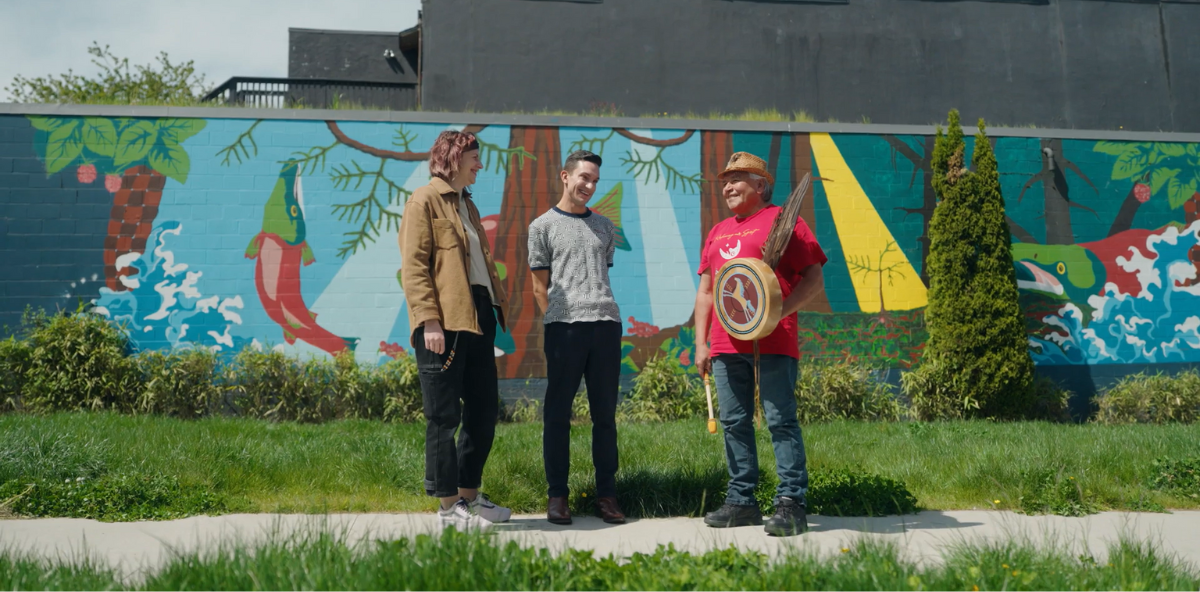
Artist and carver Jody Sparrow is crafting a canoe — one of only a few of its kind in 100 years. The canoe is an important cultural symbol for many Indigenous people, representing identity, community, and for many coastal nations, a shared connection to the land and water. Partners, carvers, and interest holders will be invited to take part in carving the canoe, including time in the workspace and on the land with Jody Sparrow. Once complete, the canoe will remain a Musqueam community asset, accessible to First Nations members and youth.
The Seed2STEM program provides paid summer internships at BCCDC for Indigenous youth, to promote careers in science, technology, engineering and math (STEM) fields, where Indigenous representation is disproportionately low.
Kílala Lelum is a community-based health organization that provides Elder-guided, culturally safe, trauma and violence-informed care in the Downtown Eastside (DTES) of Vancouver. They have recently opened a new wellness and resource hub called Doris Fox Lelum. The hub will provide low-barrier access to cultural, medical, and harm reduction services for Indigenous people who use drugs (IPWUD) and Kílala Lelum members living with Opioid Use Disorder (OUD).
Kloshe Nanitch (meaning “take care” in Chinook jargon) is a program that builds trust with Indigenous Peoples by developing and gifting medicine bundles to Indigenous communities throughout BC.
BC’s Northern Health (NH) Authority is providing youth mental health grants to organizations who support youth programming, mental health education, and cultural engagement. As 20 per cent of the NH population identify as Indigenous, some organizations were awarded grants to promote land-based learning, and connect Indigenous students with culture and nature.
The Office of the Provincial Health Officer (OPHO) undertook a review that sought to understand the way its own structures, policies, practices, norms, and values upheld white supremacy and Indigenous-specific racism during the OPHO COVID-19 response.
Wastewater Monitoring
Wastewater surveillance is becoming a vital tool in BC’s health-promoting toolkit that will improve public health for communities and people across BC. Diseases are present in stool when we have been exposed to pathogens — whether we have symptoms or not. This means the wastewater that comes from our toilets can equip our teams with a lot of information. Here are some projects that use this unique area of public health to support population health across the province.
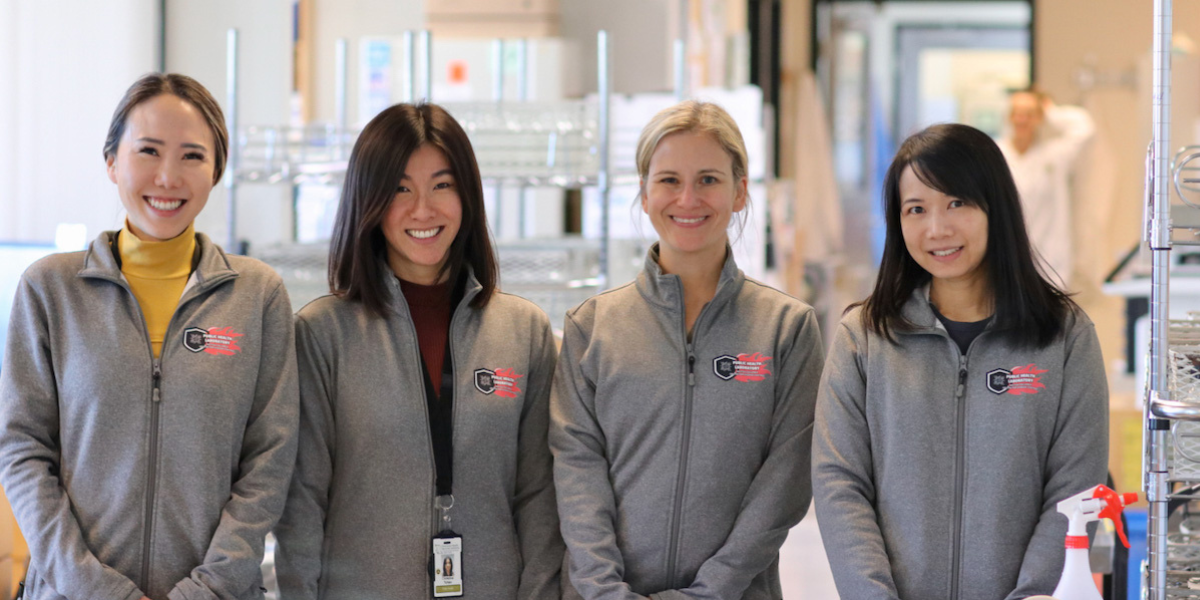
Wastewater testing for COVID-19 levels was conducted during the pandemic by the Environmental Microbiology program at BCCDC. This testing provided information each week on the spread of COVID-19 in and among BC communities.
With our province in a state of emergency since 2016 due to the toxic drug poisoning crisis, where over 16,000 people have died from overdoses, BCCDC expanded the wastewater monitoring program to use in identifying trends in the circulation of a wide range of illicit, unregulated substances, including fentanyl. This work could lead to more equitable public policy that improves the health of British Columbians, especially those who are disproportionately represented in reported substance use statistics.
Proposed upcoming work will increase the frequency of wastewater testing and range of testing targets, like public venues, during large scale cultural or sporting events. These types of events bring people from all over the world to a concentrated environment, creating a greater opportunity for the potential spread of disease or illness. The data collected from this testing may be used in future to support public health teams with information needed to keep the public safe and create awareness about potential areas of concern. This testing has already been conducted at international events like the Tokyo and Paris Olympics, and the Superbowl.