
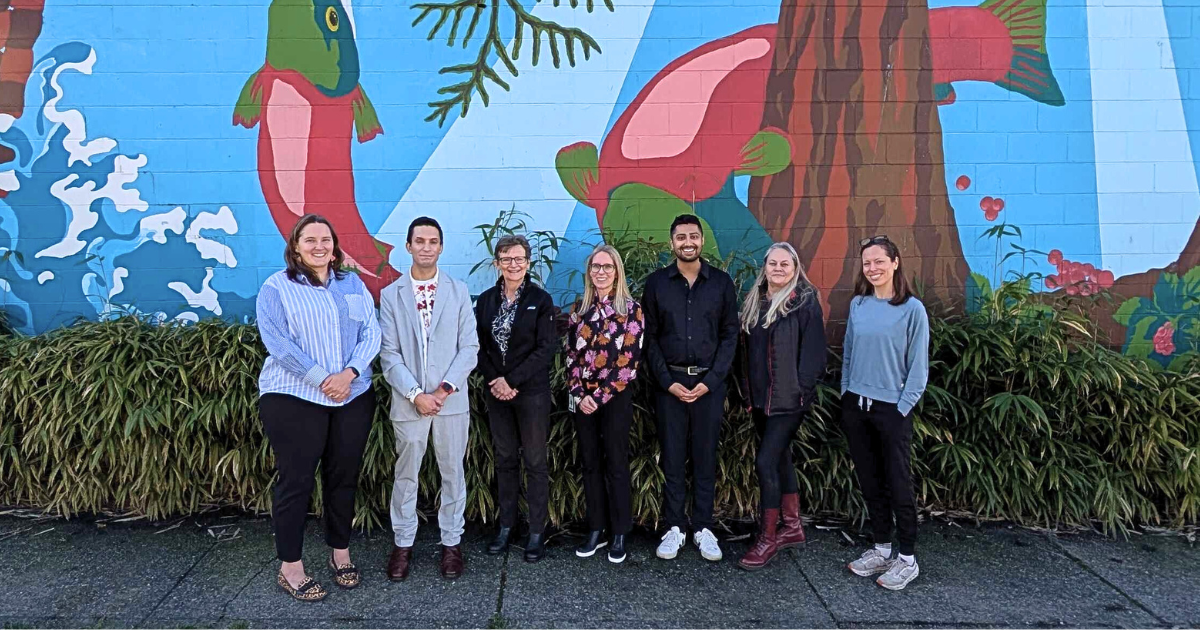
Hepatitis C is a liver infection caused by the hepatitis c virus (HCV). It is a sexually transmitted and blood-borne infection (STBBI) that can lead to serious long-term health issues like liver cancer. The good news is that there is a cure for HCV. However, as of 2023, approximately 13,000 people across BC are estimated to be living with a chronic HCV infection. If there is a cure, why are there still so many living with HCV? The short answer: A lack of access to care and treatment, and a lack of understanding about the types of available treatment. This is why the Foundation is proud to partner with Gilead Sciences to help fund the BC-HCV recAll & suppoRt initiativE (C-CARE), a pilot project that will help connect patients with HCV to the care they need.
A Purposeful Partnership
Kílala Lelum is a community-based health centre that provides Indigenous-centred, Elder-guided, culturally safe, trauma- and violence-informed care in Vancouver’s Downtown Eastside (DTES). It uses a wholistic, patient-centred model of care that fosters health equity and physical, emotional, mental, and spiritual wellness. The team serves over 2,000 members (rather than patients, as each member is engaged and involved in the direction of their care), offering various programs and services including primary care, social work, mental health counselling, cultural and food security programming, outreach, and chronic pain management.
Many of their members have complex health issues, including substance use, chronic pain, mental illness, cardiovascular disease, as well as STBBI infections such as HCV. The C-CARE project aims to identify members registered with Kílala Lelum, with evidence of untreated chronic HCV infection, or members who have not yet had HCV screening or confirmatory testing, by linking data with information collected through BC Centre of Disease Control (BCCDC), and connecting these patients to care.
The Story of HCV Treatment in BC
It is important to know the difficult history of HCV treatment in order to understand why many patients that have been diagnosed with HCV did not receive curative care. Before 2012, treatments for HCV were interferon based. This injection-based therapy was meant to be taken for 24 to 48 weeks, and frequent adverse side effects like flu symptoms, fever, nausea, vomiting etc. led many patients to abandon treatment, or not even begin. “And to make things worse, the cure rate was less than 30%,” explains Amit Gupta, Medical Scientist, Viral Hepatitis and Liver Diseases at Gilead Sciences. For these reasons, many patients gave up on the idea of receiving HCV treatment.
Patients were then given hope in the form of new treatments that became available in the early 2010s, but were disappointed to hear about the high cost associated, and many were unfairly stigmatized by their health care providers. Amit explains, “Some patients were told they weren’t sick enough for treatment — ‘you’re just a carrier at this point’ — and others were told they weren’t candidates for treatment. The recommendation was that people who use drugs should not be treated because they will reinfect. This wasn’t based in data. This was based in stigma. So, you have tens of thousands of people who at one point were told they don’t need treatment.”
Now that prescription medications used to treat chronic HCV are widely available, easy to administer, take only a few weeks for treatment, and are covered for most patients, healthcare professionals are looking for ways to re-connect with those who faced historical barriers to care. One way is through a data linkage projects like C-CARE.
Helping Patients Access a Cure
If Canada is to reach the World Health Organization (WHO) global target to eliminate HCV as a public health threat by 2030, 80% of all people with chronic HCV will need to be connected to care and cured. Over 95% of those people have already been diagnosed, and about 2,000 of them reside within the DTES.
As of 2020, approximately 58% of all people in BC diagnosed with chronic HCV infection had accessed curative treatment, however this number is much lower among people living in the DTES, particularly those who also identify as Indigenous. How can we reach these patients and get them access to care? By using existing data to identify patients and deliver care. Kílala Lelum’s Indigenous-focused, Elder-led care model is the ideal candidate to partner with BCCDC to identify members and administer care in a patient-focused and culturally appropriate way.
How Will It Work?
Kílala Lelum’s Electronic Medical Records (EMR) will be linked to BCCDC’s Public Health Laboratory Information System (PHLIS) to create a registry of patients that have been identified as having HCV, or are at risk for HCV and other STBBI. Kílala Lelum’s team of allied health professionals will then contact members and offer screening and/or testing, treatment and follow-up care.
As Amit says, “(Gilead) wanted to support this project to help give patients access to the treatment they need, have culturally appropriate care, and not feel shame or stigma when they’re getting this treatment.” In the capable hands of Kílala Lelum’s medical team, patients will receive the care they need and deserve.
Gilead is particularly passionate about providing HCV care as they pioneered HCV treatment, curing 11M+ people worldwide with Gilead-innovated therapies. According to Amit, “We have worked to cure HCV from the beginning, and we’re seeing this through until elimination.” Thank you, Gilead, for supporting this important initiative!
———————————————————————————————–
Supporting innovative projects like C-CARE helps Canada move one step closer to achieving the WHO’s 2030 HCV global elimination status. Please help us support projects like this, that are using new technology to achieve huge public health successes.
DONATE